One Airport Is Bigger Than Bahrain
King Fahd International Airport near Dammam, Saudi Arabia, covers 780 square kilometers — roughly 300 square miles. That’s the entire footprint of New York City, all five boroughs, rendered in tarmac and desert. Guinness World Records notes it exceeds the total land area of neighboring Bahrain, a country that operates three airports of its own.
Most of that space sits empty. The scale only registers when you look down from altitude, a vast geometric sprawl with runways cutting through sand. It is the world’s largest airport, and the gap between it and second place is not close.
Atlanta Beats Every City You’d Expect
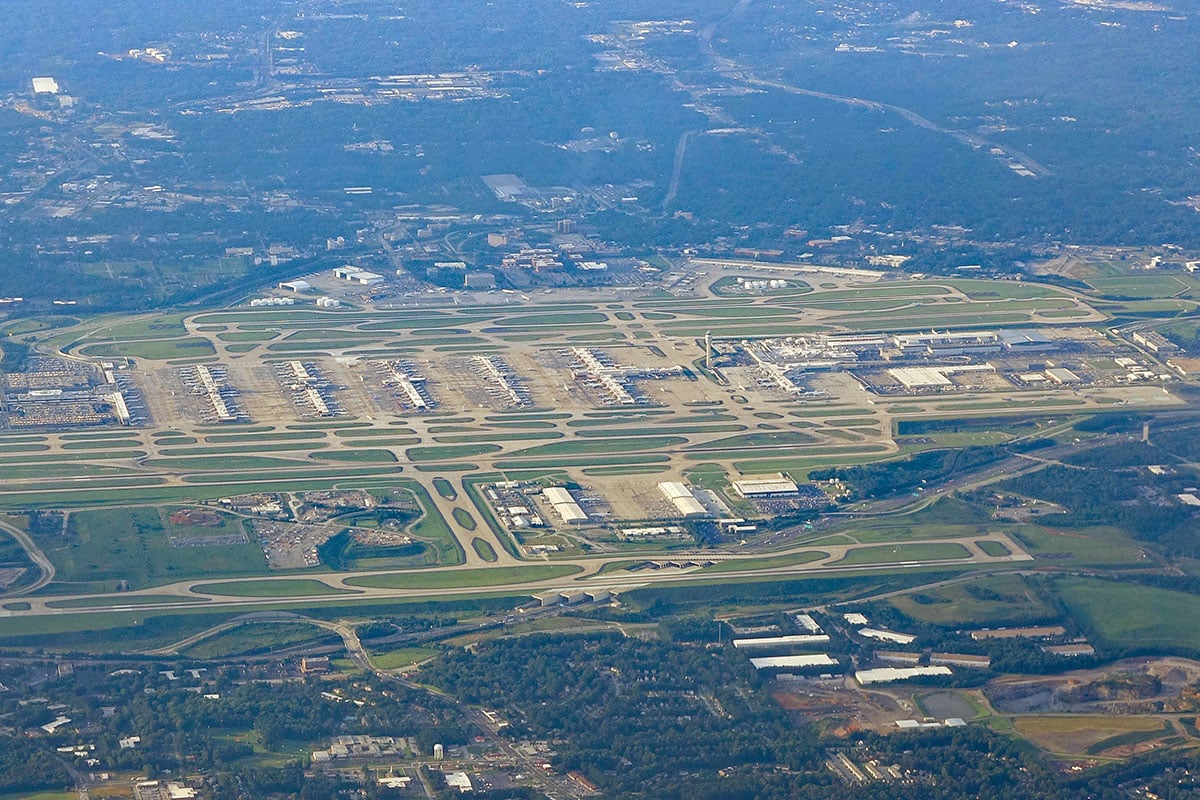
Hartsfield-Jackson Atlanta International Airport has been the world’s busiest passenger airport since 1998. In 2022, more than 93 million people moved through its terminals. Dallas/Fort Worth, ranked second that year, trailed by over 20 million. New York, Los Angeles, Chicago — none of them are in the conversation at the top.
The math makes sense once you look at a map. Atlanta is Delta’s biggest hub. There are no rival major airports nearby diluting the traffic. About 80 percent of the US population lives within a two-hour flight. It’s geographically central, infrastructurally dominant, and relentlessly efficient — the unglamorous king of American aviation.
Read more
Famous Faces Never Touch the Main Terminal
Celebrities do fly commercial. They just don’t go where you go. LAX and ATL both offer The Private Suite, a facility with its own dedicated security checkpoint, customs processing, valet parking, and private rooms. Guests move from car door to aircraft door without once entering the public terminal.
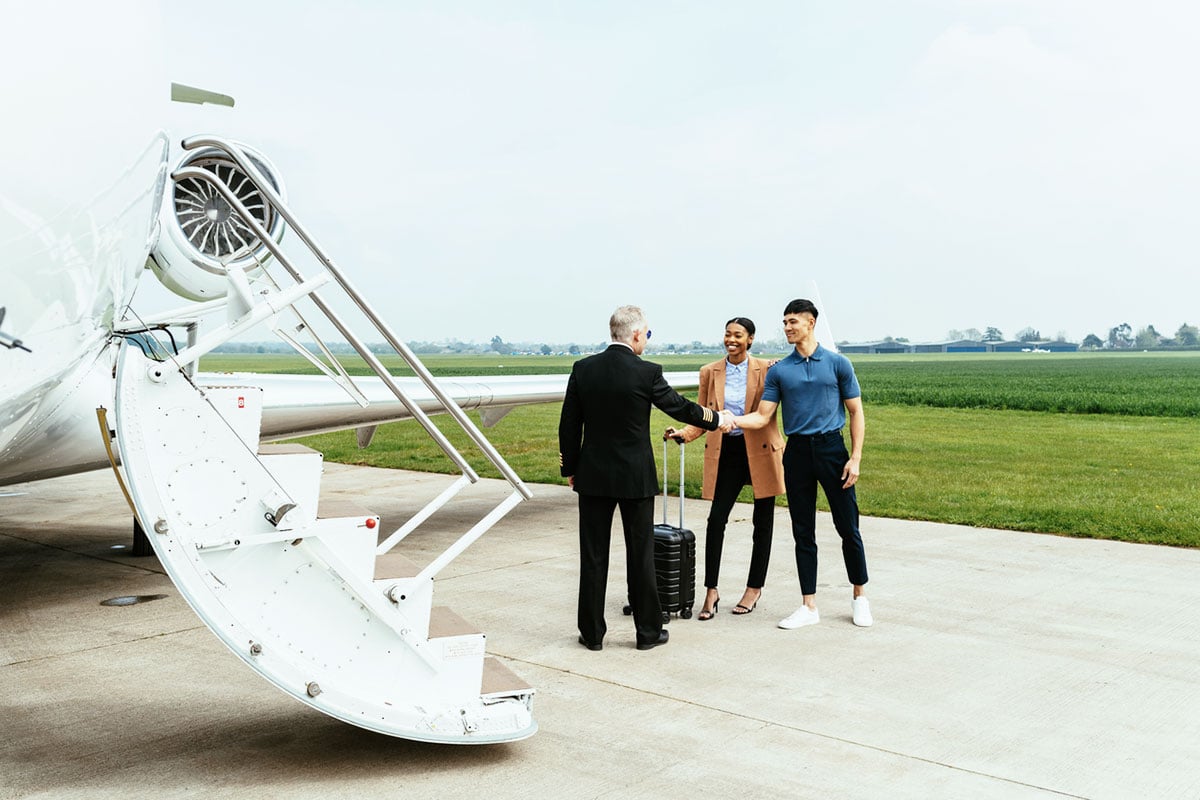
Membership starts at $1,250 a year. That doesn’t include the $4,850 pre-flight suite fee. In exchange: massages, manicures, and a seamless bypass of everything you associate with airports. For well over six thousand dollars, the airport you flew from is essentially invisible to you.
Your Flight Is Deliberately Scheduled to Lie
Flights on paper take longer than they used to, even though the planes haven’t gotten slower and the airports haven’t moved. Airlines now pad their scheduled windows — building in buffer time so a late departure can still register as an on-time arrival. It’s a quiet statistical trick that inflates punctuality numbers without fixing anything underlying.
Still, about 30 percent of flights arrive more than 15 minutes behind schedule. The padding helps. It doesn’t solve it.
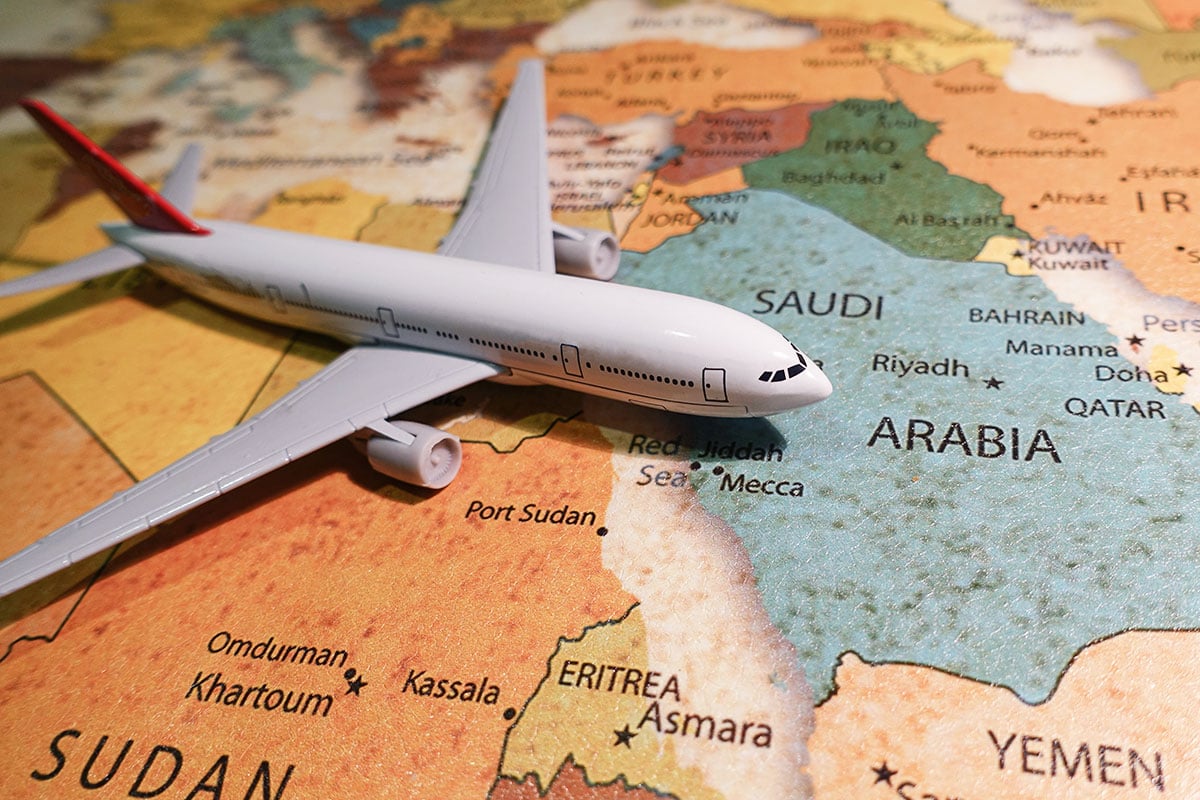
Meanwhile, in Jeddah, the world’s tallest air traffic control tower rises 136 meters above King Abdulaziz International Airport — roughly the height of the Great Pyramid of Giza. It surpassed Kuala Lumpur’s tower in 2017. Saudi Arabia, already home to the world’s largest airport, apparently takes its aviation infrastructure personally.
The X in LAX Is Just a Placeholder
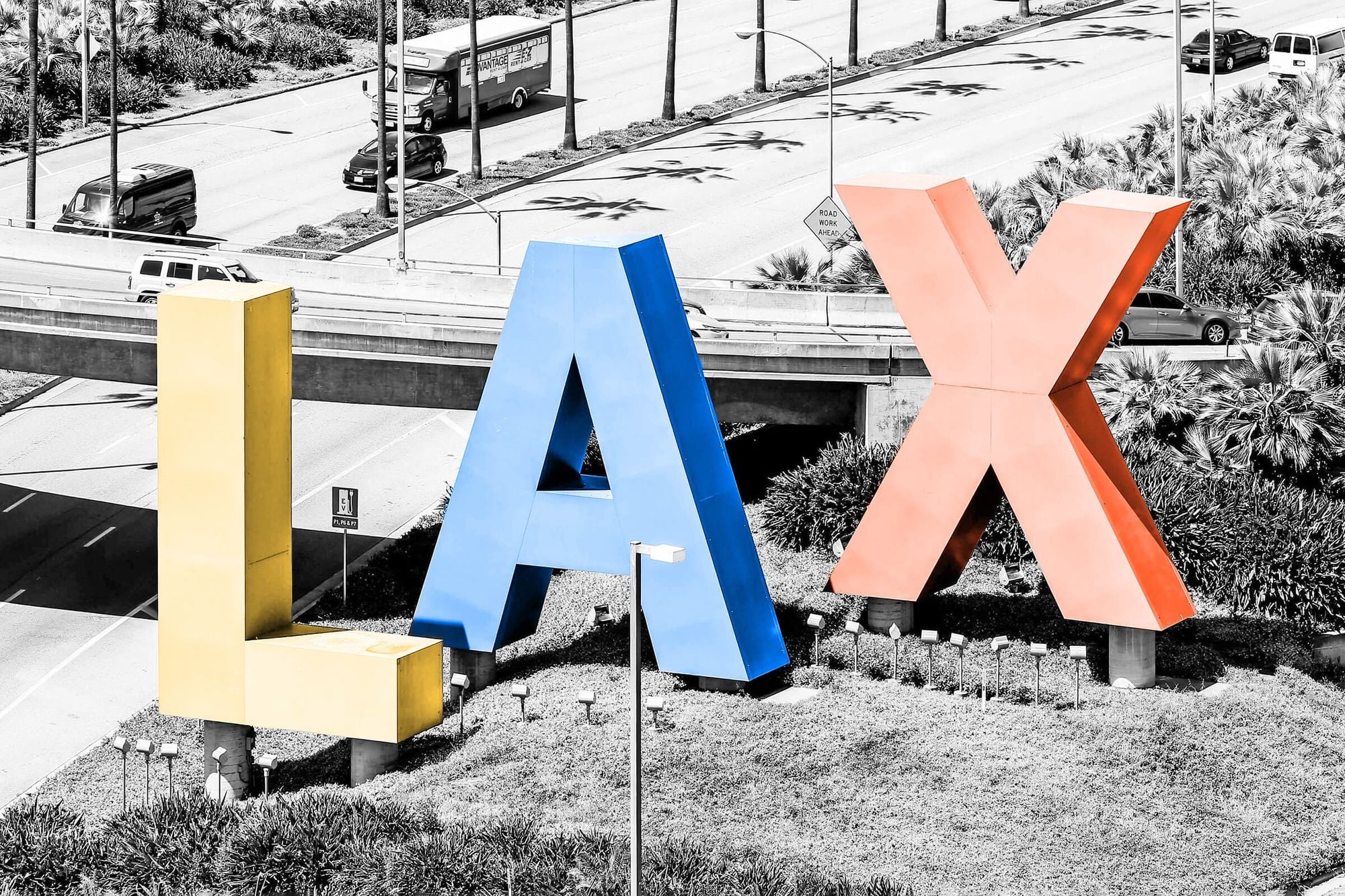
Airport codes made more sense when airports ran on two-letter identifiers borrowed from the National Weather Service. Air travel grew faster than the alphabet could handle, and the International Air Transport Association switched to three-letter codes in the 1930s. Some airports just appended an X to hit the new requirement. LAX. PDX. PHX. The letter doesn’t stand for anything. It’s filler.
The most committed beneficiary of this system is Sioux City Gateway Airport, coded SUX. In 1988 and again in 2002, local officials petitioned the FAA to change it. The FAA offered five alternatives: GWU, GYO, GYT, SGV, and GAY. Sioux City kept SUX and launched a merchandise line. Mugs, beanies, all of it proudly stamped.
The world’s oldest continuously operating airport is College Park in Maryland, opened in 1909 when Wilbur Wright used it to train military pilots. The oldest with actual commercial service is Hamburg Airport, established in 1911 — built originally not for planes, but Zeppelins. Its first structure was an airship hangar.
One Slot, Seventy-Five Million Dollars
At more than 200 of the world’s busiest airports, airlines don’t simply schedule a flight. They buy or lease slots, specific authorized windows to take off or land. At Heathrow, where demand crushes supply, those windows have become assets worth extraordinary money. In 2016, Kenya Airways sold a single slot to Oman Air for $75 million. The following year, Scandinavian Airlines fetched the same figure for two.
Airlines must use their slots at least 80 percent of the time within any six-month period or risk forfeiting them. This is why British Mediterranean Airways once operated round-trip flights between Heathrow and Cardiff — a trip faster by car — carrying zero passengers. The flights existed purely to protect a slot. Environmental groups were furious. The math, from the airline’s perspective, was unambiguous.
Your Pocket Change Belongs to Congress Now
Every year, the TSA files a report to Congress on how much loose change passengers abandoned at security checkpoints. In 2019, the number exceeded $900,000. In 2020, a year of sharply reduced travel, it was still over $500,000. The single most lucrative checkpoint is Harry Reid International Airport near Las Vegas, where travelers left behind $37,611 in one year alone.
Confiscated items follow a different path. Nail clippers, pocket knives, cigar cutters, and foldable shovels end up on GovDeals.com in bulk lots — 14 pounds of named knives, 12 pounds of flashlights, boxes of Swiss Army knives sorted by size. Lost luggage that goes unclaimed for three months lands with Unclaimed Baggage, a reseller that sorts, sells, repurposes, or recycles the contents.
For travelers stranded between connections, transit hotels have taken root inside airports worldwide. Yotel offers rooms bookable in four-hour blocks in Amsterdam, London, Istanbul, Paris, and Singapore. The TWA Hotel at JFK sells day-use rates with pool access, themed around mid-century aviation. And at dozens of North American airports, certified therapy dogs now wander the terminals pre-departure — available for a pat, a moment, whatever you need before the gate closes.