The $35 Surprise Waiting at the Counter
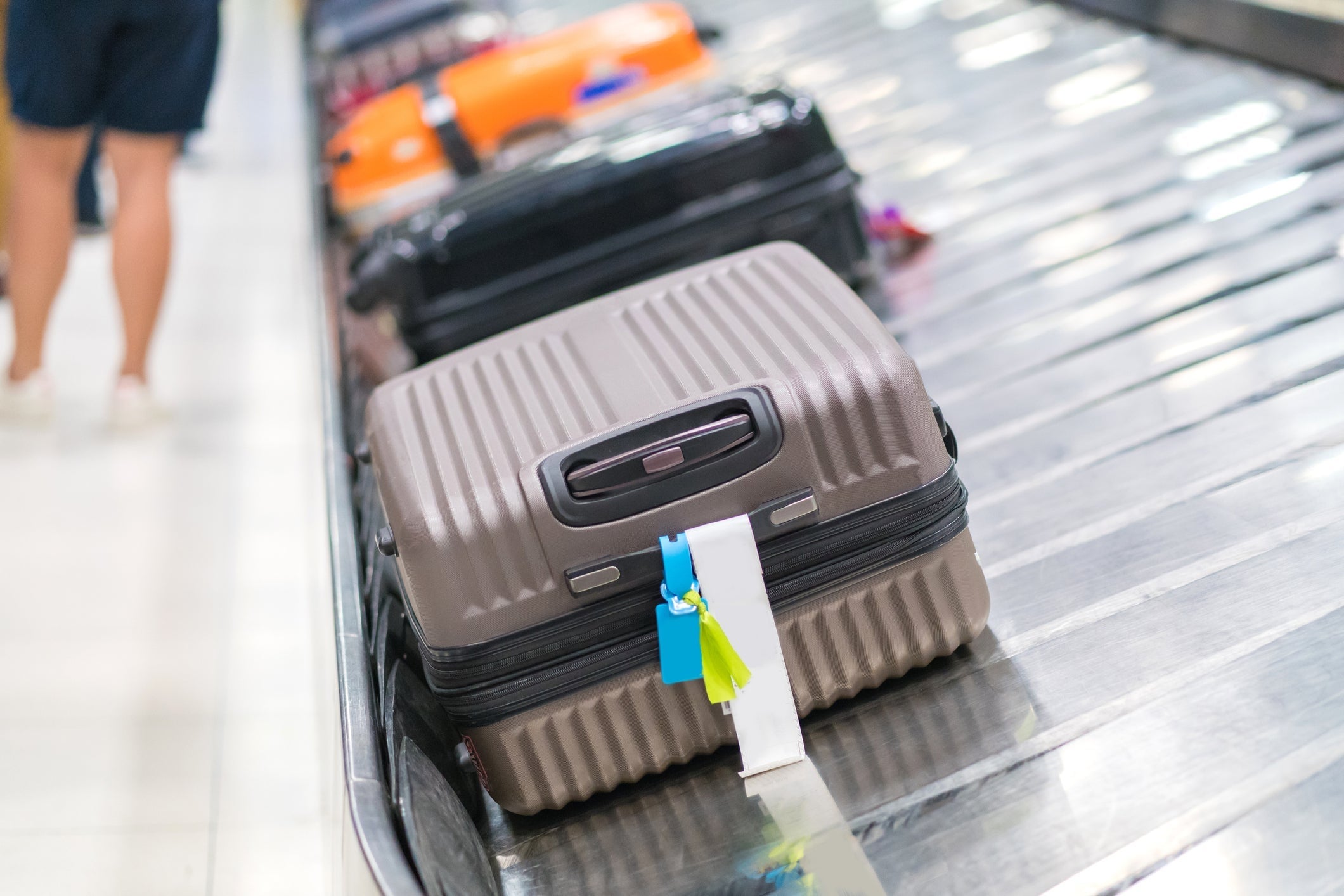
Most travelers book a flight, pack their bags, and assume the price they saw is the price they’ll pay. Wrong. For the majority of U.S. airlines, checking a single bag runs $35 each way on a domestic flight — and that number climbs fast once you add a second suitcase.
Alaska, American, Delta, JetBlue, and United all charge $35 to $40 for a first checked bag. Frontier charges more: $55 to $100 depending on the route and when you pay. A round trip with two checked bags on Frontier can blow past $200 before you’ve eaten a single airport sandwich. Hawaiian Airlines starts lower, at $15 for inter-island hops, but mainlaind flights match the competition.

Second bags get expensive everywhere. Delta, Alaska, American, and United charge $45 for the second bag each way. A third bag runs $150 on most major carriers. The fees stack quickly, and most airlines assume you have no elite status and no cobranded credit card — because those change the math entirely.
Carry-Ons Are Not Free Everywhere
Alaska, American, Delta, Hawaiian, JetBlue, Southwest, and United all give passengers one personal item and one carry-on bag at no charge. Frontier and Spirit don’t. Frontier charges $34 to $60 for a carry-on — the kind you’d normally slide into the overhead bin without thinking. Spirit charges $26 to $65 for the same bag.
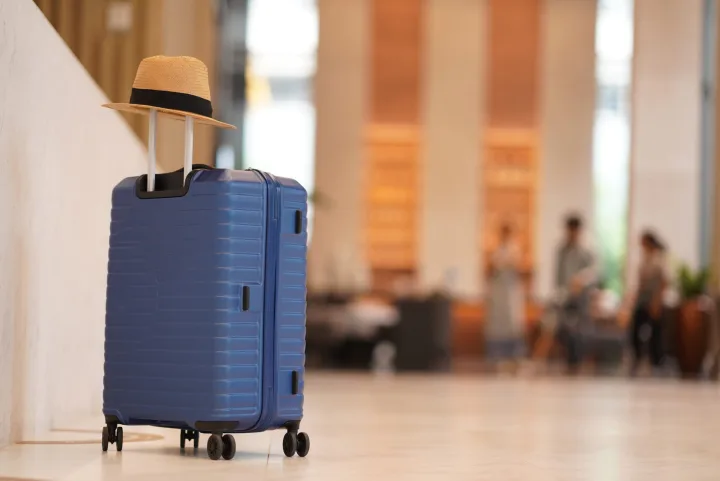
At those prices, checking the bag sometimes costs less than bringing it aboard. The math gets genuinely ugly on budget carriers. Personal items — backpacks, laptop bags, small totes that fit under the seat — remain free on all major U.S. airlines. But size limits vary by carrier, so measure your bag before you assume it qualifies.
United Basic Economy passengers face a specific squeeze: no full-size carry-on in the overhead bin, just a personal item. Bring a larger bag to the gate anyway, and United charges a $25 gate handling fee on top of the standard baggage rate. It’s the kind of fine print that stings at 6 a.m.
Read more
Southwest Ended Its Famous Free Bag Policy
For years, Southwest was the lone holdout — the one carrier that treated your luggage like it belonged on the plane. Two free checked bags, no questions. Families built entire travel strategies around it. That era ended in 2025.

As of May, most Southwest passengers pay to check bags just like everyone else. The airline still allows one personal item and one carry-on without charge. But the free checked bag is gone, and with it, Southwest’s most powerful selling point against the legacy carriers.
How a Credit Card Makes Bags Free
The cleanest way to skip checked bag fees is also the least glamorous: open an airline credit card. Most major cobranded cards waive the first bag fee on domestic flights, and the savings extend to traveling companions on the same reservation — sometimes up to eight people at once.
Delta’s cobranded American Express cards cover up to eight companions. American’s AAdvantage cards extend the perk to four or eight depending on which card you hold. United’s Explorer and Business cards cover one free bag; the Quest and Club cards cover two. Alaska and United’s Explorer Card require you to pay for the flight with the card to unlock the benefit. Most others only require you to hold cardholder status.
General travel cards help too. Cards like the Capital One Venture Rewards Credit Card earn miles that offset baggage charges across any airline. If you’re not loyal to one carrier, a card with broad airline fee credits gives you flexibility without locking you into a single frequent flyer program.
Elite Status and the Weight Perks Nobody Talks About
Frequent flyers with elite status skip checked bag fees entirely. Every airline in this guide waives at least one bag for qualifying members, and the allowances grow with each tier. Delta Medallion members check one bag up to 70 pounds on domestic routes — already more generous than the standard 50-pound limit. Gold Medallions get two bags free; Platinum and Diamond members get three.

United’s Premier Silver travelers also receive a 70-pound allowance, with bag counts rising through Gold and higher tiers. The weight perk alone can save a family hauling overstuffed luggage from a painful overweight fee, which kicks in on most airlines once a bag exceeds 50 pounds.
Spirit and Frontier Play by Different Rules
Spirit and Frontier occupy their own category. Where most airlines cap standard checked bags at 50 pounds, both low-cost carriers drop that limit to 40 pounds. Every pound over costs extra. Both airlines offer baggage calculators on their websites — and running those numbers before booking matters, because the all-in price can exceed what you’d pay on a legacy carrier with a base fare that looked higher.
Timing matters on both airlines. Paying for bags during the booking process is always the cheapest option. Wait until check-in or the airport counter, and fees jump. Wait until the gate, and you’re paying a premium. The budget carrier model isn’t complicated: the base fare is low, and the fees fill the gap.
The takeaway across all carriers: the sticker price on a flight is never the final price. Know your airline’s baggage policy before you book. Check whether you hold a card that covers the fee. Calculate the real cost. A $79 fare with $80 in bag fees isn’t the deal it looks like on the search results page.