
Book the Flight Before the Price Eats You Alive
Summer airfare has a personality problem. It starts reasonable, turns cruel, and by late May it’s completely out of control. If you still don’t have flights locked in for June, July, or August — especially international ones — stop reading this and open a browser tab right now.
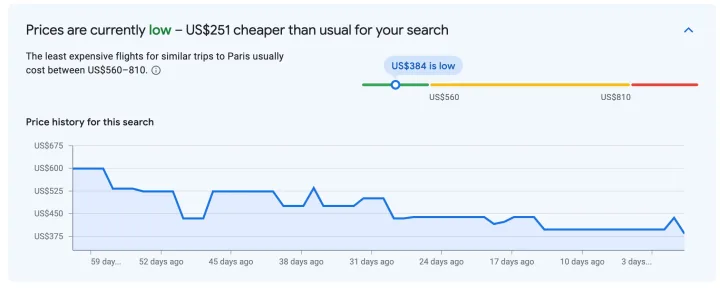
Google Flights is the sharpest free tool for this. Set alerts for your target dates, watch the price history graph, and let the algorithm tell you whether what you’re seeing is a deal or a trap. Midweek travel consistently tests cheapest, according to booking app Hopper. Their lead economist Hayley Berg puts it plainly: plug in your destination and dates, set a Price Watch alert, and let the app flag you the moment a real deal surfaces.

If you book and the price drops afterward, you’re not necessarily stuck. Cancel and rebook if your fare type allows a full refund. If not, a flight credit is often on the table — read your booking terms, then call the airline. People who do this save real money. People who don’t just pay more for the same seat.
Seats, Hotels, and the Art of Keeping Options Open
Pick your seat the moment you book. Every hour that passes, the decent options disappear into someone else’s cart. Middle seats in the back aren’t a tragedy, but they’re avoidable if you act fast.
For hotels, refundable is almost always worth it. Rates move. If your hotel drops $40 a night between booking and arrival, you want the ability to cancel and rebook at the lower price. This applies to points bookings too — hotel loyalty programs often allow free cancellation on award nights, so don’t assume paid bookings are the only ones worth watching.
Read more
Your Passport Might Already Be the Problem
Check the expiration date. Do it now, not at the airport. Most countries require six months of validity beyond your travel dates — meaning a passport that expires in October won’t get you into plenty of destinations this summer.
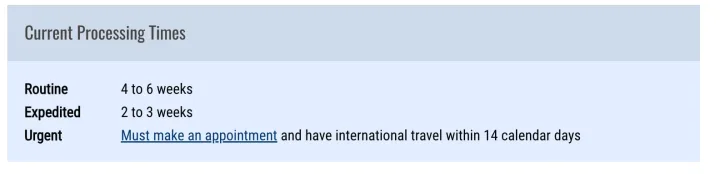
Renewal turnaround time through the U.S. State Department currently runs four to six weeks for routine service, two to three weeks for expedited. Those windows shrink fast when summer travel season peaks. Book an appointment, pay the expedited fee if needed, and do not gamble on the timeline.
Beyond expiration dates, count your blank pages. Mexico, Canada, and most European countries need at least one empty page for entry stamps. China and South Africa require two. A full passport is a grounded traveler — this detail catches people off guard every single summer.
The Security Line Doesn’t Have to Ruin Your Morning
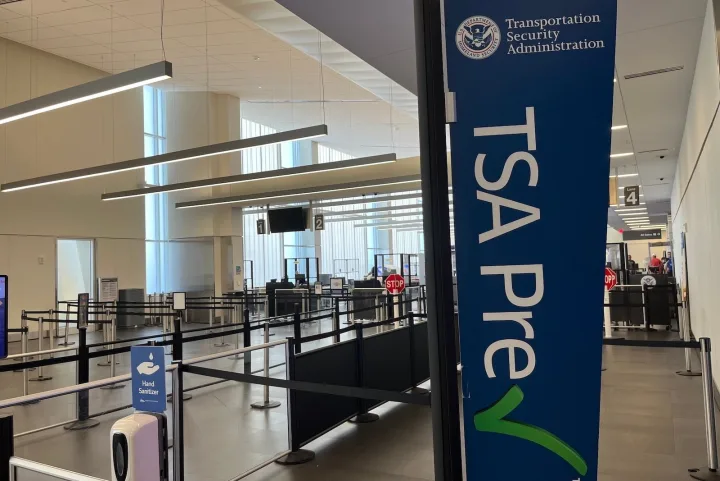
TSA PreCheck is one of the better $77 decisions you can make. A five-year membership, a dedicated lane, no shoes off, no laptop out of the bag, no liquid bag theatrics. About 99% of PreCheck travelers clear security in under ten minutes, according to the TSA — and that number holds even on busy holiday weekends.
Dozens of credit cards reimburse the application fee, up to $120, so the real cost for many travelers is zero. If you have international trips lined up, consider Global Entry instead. It includes PreCheck and adds expedited reentry into the U.S. after overseas travel, covering both airports and land border crossings. It costs more but delivers more, and the same credit card credits usually apply.
CLEAR Costs More and Sometimes Saves Everything
At $209 a year, CLEAR is a different kind of commitment. It uses biometrics — iris scans, fingerprints — to skip the identity verification step entirely, shuttling you past the ID line to the front of the physical screening queue. At airports like JFK and SFO, that gap matters enormously. At Atlanta’s Hartsfield-Jackson, less so.
Delta and United elite members get CLEAR free or heavily discounted depending on status tier. Several American Express cards also offer statement credits covering the full membership fee. If you fly frequently from CLEAR-friendly airports and hold the right card or airline status, the math works. If you mostly pass through smaller airports, it’s a luxury with diminishing returns.
One newer development worth knowing: CLEAR now offers TSA PreCheck enrollment directly at its lanes in 14 airports — so if you haven’t signed up for PreCheck yet, you can handle both at once.
Real ID Is Now the Law, Not a Suggestion
As of May 7, a Real ID-compliant form of identification is required to board domestic flights. Look for the gold or black star in the upper corner of your driver’s license. If it’s not there, your license won’t get you through the checkpoint.
Workarounds exist. A valid U.S. passport book or card works. So does a Global Entry card, a state-issued enhanced driver’s license, or a handful of other federally accepted documents. If you’re flying with a non-compliant ID, bring backup: a bank statement, a Social Security card, anything that reinforces your identity. You could technically still be denied boarding without a Real ID — extra documentation makes that outcome less likely.
Your Phone and Your Lounge Access Need Attention Too
Download your airline’s app before you leave the house, not from the departure gate while everyone stares at the departures board. Log in, enable push notifications, and let the app track your flight. During irregular operations — delays, cancellations, reroutes — the app frequently updates before the gate agents announce anything. That head start matters when rebooking windows are narrow and the phone queue is an hour long.
One more thing that’s changed quietly: airport lounge guest policies. What worked last summer may not work now. American Express Centurion Lounge cardholders can only bring two guests for free if they spend at least $75,000 annually on their eligible card. Miss that threshold and guest fees apply. Read your specific card’s current terms before you walk up to the lounge with four people expecting a free brunch — the policies shift, and the staff at the door have no obligation to grandfather your assumptions.