Nobody Knows Why It Falls on April 1
For a holiday built on deception, it’s fitting that its own origins are a genuine mystery. Historians have floated theories for centuries. None of them fully stick.
The most repeated story traces it to Hilaria, an ancient Roman festival of games, parties, and pranks that fell on March 25 — what Romans called “eight days before the Calends of April.” The timing is suggestive, but scholars can’t confirm the link, and even if Hilaria did inspire the holiday, no one explains why the date later shifted a week forward.
The other leading theory points to 1582, when the Catholic Church replaced the Julian calendar with the Gregorian one, pushing New Year’s Day from late March to January 1. Protestant nations like England kept celebrating near March 25 until as late as 1752. According to this theory, people who clung to the old date were mocked as fools, and the mockery gradually calcified into a holiday. Plausible. Tidy. Also unconfirmed.
France Has a Fish Problem
In France, April Fools’ Day is called poisson d’avril — “April fish.” The phrase was already slang for a gullible person by 1691. The logic: young fish are born in spring and easy to catch, just like an easy mark.
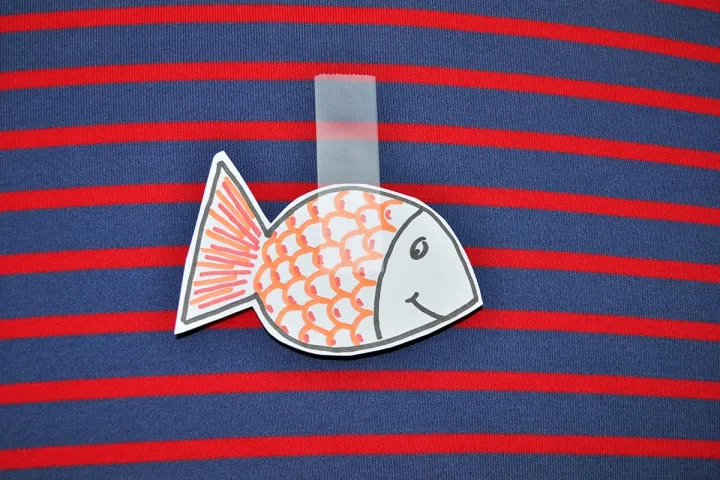
French children celebrate by cutting out paper fish and taping them to unsuspecting people’s backs. When the target notices, the prankster shouts “Poisson d’avril!” The tradition spread across French-speaking Belgium, Quebec, and Switzerland, and parts of Italy picked it up under the name pesce d’Aprile. A whole continent bonded over secretly fish-tagging each other.
Read more
In Britain, You Have Until Noon
Pull a prank after 12 p.m. in the UK and you’ve become the fool yourself. The morning-only window is the rule, and it’s been that way for a long time.
The noon cutoff likely traces to a 17th-century British observance called Shig-Shag Day, held on May 29. Celebrants showed loyalty to the monarchy by tucking oak sprigs into their hats, and anyone who forgot was mocked — but only until midday. The ridicule had a hard stop. That same structure appears to have migrated into April Fools’ tradition, giving British pranks an expiration time that most holidays lack.
Scotland Stretched It Into Two Days
April Fools’ caught on in Scotland during the 18th century, but one day wasn’t enough. The Scots gave it two, starting with April Gowk — or Huntigowk. Gowk means “cuckoo,” a local term for whoever ends up the butt of the joke.
The classic first-day prank involves handing someone a sealed letter to deliver across town. Inside, it reads: “Dinna laugh, dinna smile. Hunt the gowk another mile.” The recipient hands the delivery person another sealed envelope with the same message. The target keeps running pointless errands until the penny finally drops.
Day two, April 2, is called Preen-Tail Day or Tailie Day. The pranks shift directions — messages get pinned to people’s backs and backsides. “Kick me.” “Pull my pigtails.” The whole premise is physical comedy, and after 300 years it still gets a laugh.
Spain Skips April Entirely
In Spain and much of Latin America, April 1 passes without incident. The prank holiday lands instead on December 28 — Día de los Santos Inocentes, the Day of the Holy Innocents — and it has roots far darker than a whoopee cushion.
The biblical backstory: King Herod, warned of Jesus’s birth, ordered the slaughter of every male child under two to eliminate any rival to his throne. The children were the innocents. Jesus escaped. Herod died believing his plan had worked. Centuries later, the date became an occasion for jokes, and when a prank lands, Spaniards shout “¡Inocente, inocente!” rather than calling anyone a fool.
One tradition involves borrowing money or goods with no intention of returning them. The most theatrical version of the holiday happens in Ibi, Alicante, where locals have staged a citywide food fight for more than 200 years straight — participants dressed in military garb, hurling eggs, flour, and firecrackers at each other through the streets. The United States hadn’t even ratified its Constitution the first time they did it.