The Airline You Knew Is Gone
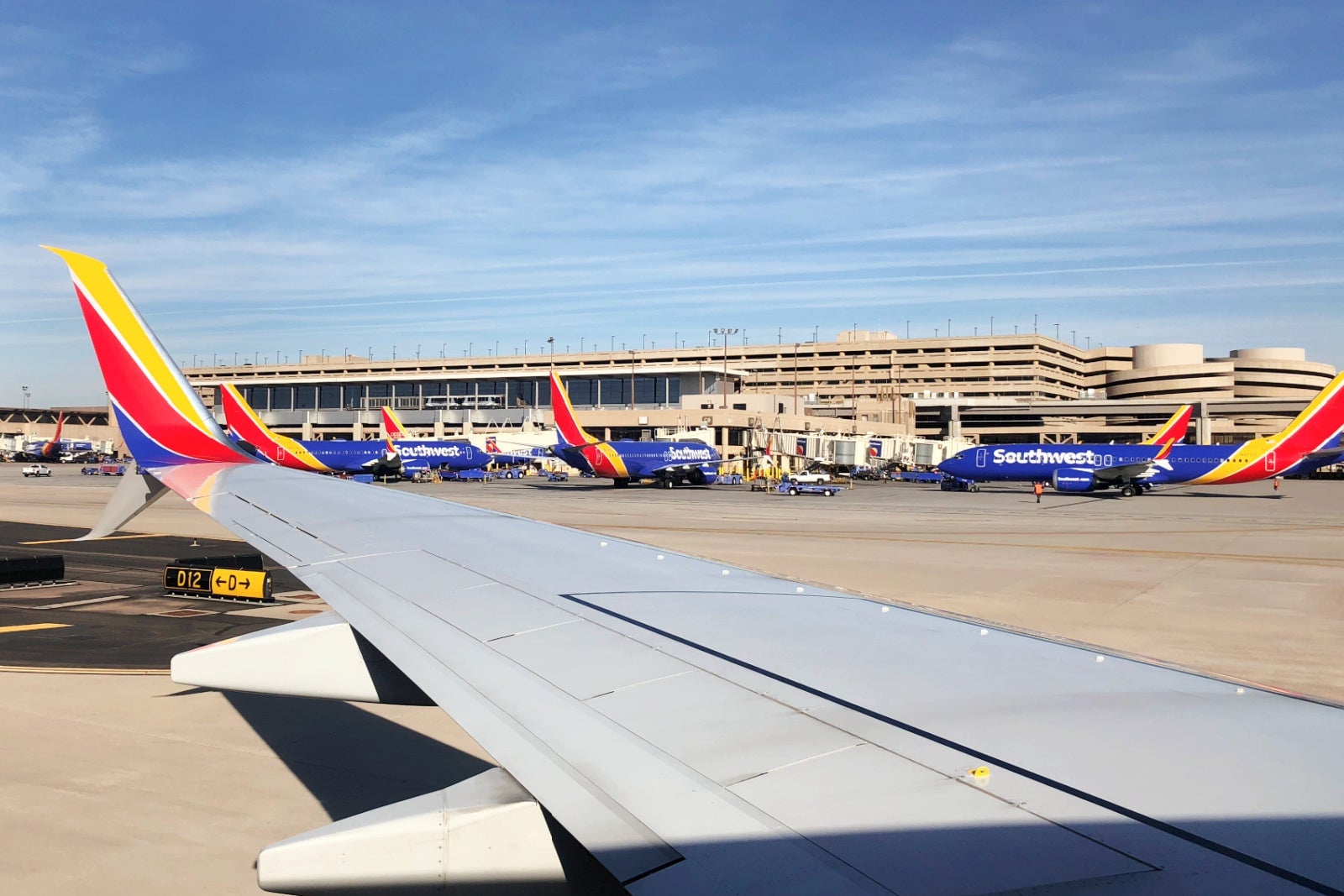
Southwest Airlines spent decades building a cult following on two promises: no bag fees and open seating. Pick your own seat. Check your bags for free. Simple. Loyal flyers built entire travel strategies around those two pillars.
Both pillars are gone now. The airline rolled out checked bag fees, replaced open seating with assigned seats, overhauled its boarding process, and reshuffled its credit card lineup — all inside a single year. Travelers who had Southwest figured out are back at square one. Here’s how to get ahead of it.
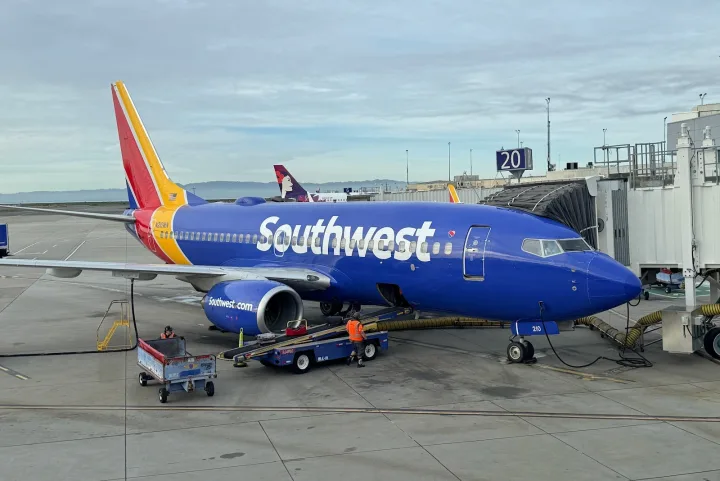
Four Fares, Very Different Animals
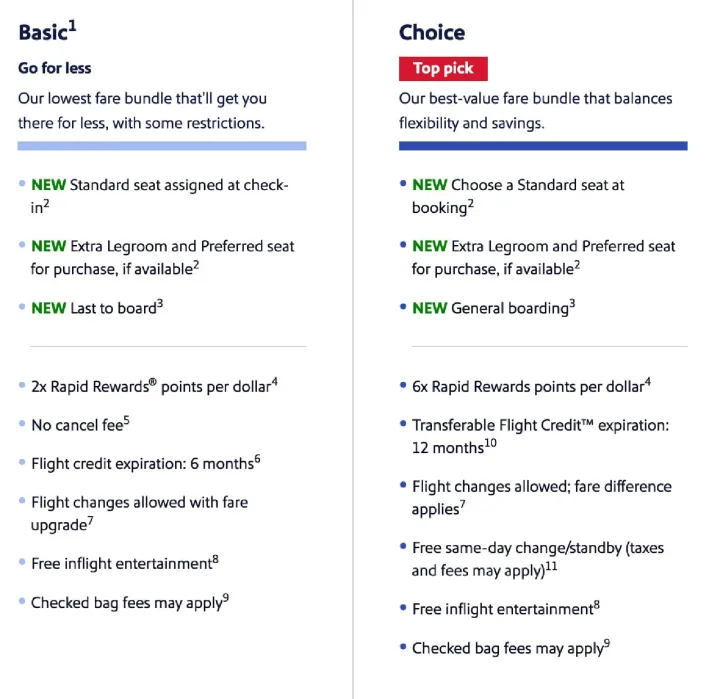
Southwest now sells four fare tiers: Basic, Choice, Choice Preferred, and Choice Extra. Most travelers will wrestle with just two of them — Basic and Choice — and the gap between them matters more than it looks.
Basic is the cheap one, and it earns that reputation with a full set of restrictions. You can’t change a Basic fare. You don’t get to pick a seat. You earn only 2 points per dollar spent. Gate agents slot Basic passengers into the last boarding groups. Cancel a Basic booking and your fare credit expires six months from the original purchase date — not from the travel date — which is a trap that’s already caught plenty of people off guard. Same-day standby and same-day change options are off the table entirely.
Choice is the sane option for most human beings who travel. You choose your seat, you can modify your itinerary, and if you cancel, the fare credit stays valid for twelve months. If you’re traveling with kids who need to sit next to you, or if there’s any chance your plans might shift, Choice is the only sensible pick.
Read more
Why a Credit Card Changes the Math Completely
Here’s where the new Southwest system gets interesting. The airline’s credit cards hand back many of the perks it stripped from cheaper fares. Carry the right card and you can book a Basic fare and still walk onto that plane with your bag checked and a seat already assigned.
Every Southwest credit card now includes one free checked bag for every passenger on the same reservation as the cardholder. The entry-level Southwest Rapid Rewards Plus card runs $99 a year. Two people flying round-trip with one bag each pays $140 in bag fees at $35 per bag per direction. The math isn’t subtle — the card pays for itself on a single trip for two.
The higher-tier cards — the Priority at $229 annually and the Performance Business card — go further, adding advance seat selection even on Basic fares. A family of four paying $30 to $45 more per person each way to upgrade from Basic to Choice just to get seats would blow past the Priority card’s annual fee on one round trip. The card wins. One critical caveat: everyone must be on the same reservation as the cardholder for those benefits to apply. Split the booking to use points from different family members’ accounts and some travelers lose the perks entirely. Authorized users don’t count as cardholders either — partners who fly separately each need their own card.
Stop Booking So Far in Advance
Southwest used to release its cheapest fares on schedule-drop days. Savvy travelers set alarms for those mornings. That playbook is largely dead. Deals still occasionally show up on release days, but they’re not reliable enough to count on — and booking too early now carries its own risk.
Book a Basic fare six months out and cancel the day of your flight, and your fare credit has already expired before your trip even happened. Even a Choice fare booked six months ahead leaves you only six months after cancellation to book and complete another trip.
The sweet spot for cash bookings is one to four months out. That’s close enough to find competitive pricing, and it keeps your fare credit in play if anything changes. It also aligns with where Southwest’s best prices tend to actually live now.
Points Bookings Play by Different Rules
If you’re sitting on a healthy Rapid Rewards balance, the calculus flips. Points bookings are fully refundable — cancel anytime and the points drop straight back into your account, no expiration clock ticking. You can book a speculative trip eight months out and cancel the week before without losing a cent.
Southwest points are also worth a variable amount these days, ranging from roughly 1.1 to 1.7 cents each depending on the fare. That spread is worth paying attention to. Sometimes the cash price on a route holds steady while the points price drops, or the reverse. Watching both gives you the chance to swap to whichever option delivers more value on any given day.
A real example: one frequent flyer rebooked a May 2026 flight from Orange County’s John Wayne Airport to Oakland twice in a few weeks, dropping the cost from 10,000 points to 6,500. Southwest still lets passengers rebook a cheaper fare and pocket the difference — points just make that process cleaner, depositing the savings directly back into the account with no expiration attached.
Book One-Way on Basic Fares — Always
Basic fares can’t be changed. The only move when a price drops is to cancel, collect the fare credit, and rebook at the lower price. That’s manageable for a single flight. For a round trip, it becomes a headache fast.
Cancel a round-trip itinerary because one leg dropped in price and you’ve just voided both legs. If the other flight’s price has gone up in the meantime, you’re rebooking at a higher rate. Book both flights as separate one-way tickets instead and you can rebook the cheap one without touching the leg that’s still priced right.
It’s a small habit shift with real money attached to it.
That Standby Notice at Check-In Is Not What You Think
Southwest’s move to assigned seating has produced one widespread panic that turns out to be largely unnecessary. Some Basic fare passengers check in 24 hours before departure and see a standby designation instead of a seat number. Phones are grabbed. Upgrade buttons are clicked. Credit cards come out.
Stop. Southwest doesn’t intentionally overbook flights. A passenger seeing standby status almost certainly has not lost their seat. What’s actually happening is that the airline hasn’t assigned a specific seat yet — gate agents hold some back to handle special circumstances, or the only remaining seats are premium options that Basic passengers don’t ordinarily receive. The seat will come. Equipment changes are the rare exception where real standby situations develop, but those are genuinely uncommon.
The airline changed a lot in a short time. The rules are different. But for travelers willing to learn which lever to pull and when, Southwest still delivers real value — you just have to stop flying it like it’s 2023.