The Case for Rethinking Picture Frames
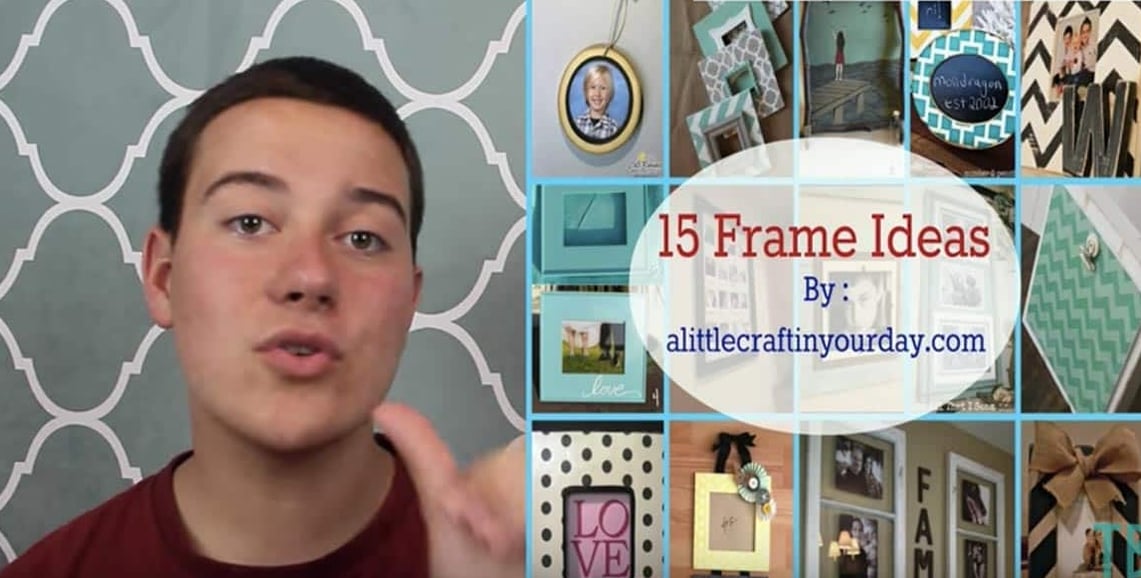
Most people treat picture frames as an afterthought — something you buy to hold a photo and then forget about. But frames are one of the most versatile and underused decorating tools in any home. A plain frame sitting in a closet or hanging unnoticed on a wall can become a striking focal point with a few simple materials and a bit of creative effort. DIY creator Tanner Bell has demonstrated at least eight distinct techniques for transforming ordinary frames into pieces that look custom-made. None of them require advanced craft skills, and most can be completed in an afternoon. The results range from elegant monogram displays to bold graphic wall art — all achievable without spending much money.
Why Cheap Frames Are Actually the Best Starting Point
There is a counterintuitive truth about decorative frames: the cheaper and plainer the base, the more room there is to work with. Ornate or expensive frames already have a fixed personality — they are hard to modify without fighting against their existing design. A plain, inexpensive wooden frame is essentially a blank canvas. Craft stores like Michael’s carry wooden frames at reasonable price points, and the selection is genuinely good. But thrift stores and garage sales are worth checking first. Secondhand frames can be found for almost nothing, and because they are going to be painted, covered, or embellished anyway, their original condition matters very little. Amazon also carries basic wooden frames in bulk packs that make it easy to work on multiple projects at once without a large upfront investment.
Read more
The Three-Frame Cluster Technique
One of the most visually effective ideas involves grouping three same-sized frames into a single cohesive display. The frames are attached to each other using hot glue and ribbon, then hung together as one unit rather than as three separate pieces. The result reads as intentional and designed rather than random. The ribbon used to connect them can be chosen to complement or contrast with the room’s existing color palette. What makes this technique especially adaptable is how easily the backing can be swapped out. Craft paper, wrapping paper, or fabric in almost any color or pattern can be cut to size and placed behind the frames to tie the whole arrangement into the room’s décor. Floral accessories or small decorative elements can be added to the ribbon or corners to give the finished piece a more personal, finished look.
Using Craft Paper and Wrapping Paper as Backing
The backing material inside a frame does more visual work than most people realize. Swapping out a standard white mat or photo for a piece of patterned craft paper or wrapping paper instantly changes the character of the entire frame. Bold geometric patterns create a graphic, modern look. Florals read as soft and traditional. Metallic wrapping paper adds a touch of glamour without much expense. The process requires no special tools — just scissors, the paper of your choice, and a frame with a removable backing. This is also one of the easiest techniques to rotate seasonally. The same frame can display a summery botanical print in July and a deep jewel-toned pattern in December, making it one of the most cost-effective decorating moves available.
Fabric-Covered Frames and Why They Work So Well
Fabric offers a texture and depth that paper cannot replicate, and it is surprisingly easy to work with on a flat frame surface. Any fabric with enough weight to stay flat and enough pattern interest to hold attention works well. The fabric is cut slightly larger than the backing insert, then folded and secured to the back with hot glue or a similar adhesive. The result is a frame that looks genuinely upholstered and finished. Fabric-covered frames work particularly well in bedrooms and living rooms where softer textures are already part of the design language. Remnant fabric from fabric stores is inexpensive, and a single yard is often enough to cover several frames. This technique also allows for exact color matching to other textiles in the room — a detail that makes a space look more deliberately decorated.
The Chevron and Monogram Approach
Among the techniques Tanner Bell demonstrates, the black and white chevron frame with a wooden monogram initial stands out as one of the most polished. The chevron pattern is painted directly onto the frame itself using painter’s tape to create clean, crisp lines. Black and white is the most graphic version of this, but the same approach works in any two colors. Once the frame is painted and dry, a wooden letter — the kind sold at most craft stores — is attached to the front, centered on the lower portion of the frame. The combination of a bold repeating pattern with a personal monogram element gives the piece a custom, boutique look. It reads like something from a specialty home décor store, but the materials cost is minimal. This style in particular translates well as a gift because the monogram makes it feel specific and considered.
Why These Make Excellent Gifts
Decorative picture frames have a distinct advantage as gifts: they are useful, displayable, and personal without requiring detailed knowledge of the recipient’s tastes. A well-made, attractive frame is almost universally welcome. The techniques described here allow for a level of customization that mass-produced gifts cannot offer. If the gift-giver knows the recipient’s color scheme or decorating style, the backing material and frame finish can be tailored accordingly. A fabric-covered frame in the right colors, or a chevron-painted frame with the recipient’s initial, becomes something that clearly had thought put into it. For holidays, housewarmings, or birthdays, a handmade decorative frame lands differently than something purchased off a shelf. The effort is visible in the result, and that is what makes it memorable.
Selling Handmade Frames on Etsy
The same qualities that make these frames good gifts also make them commercially viable on platforms like Etsy. There is a consistent market for handmade and custom home décor, and decorative frames sit in a sweet spot — they are small enough to ship easily, inexpensive enough to produce in quantity, and personal enough to command a price premium over mass-produced alternatives. Someone who develops a reliable process for the chevron-and-monogram style, for example, could offer that in any initial and a range of color combinations. The fabric-covered frames could be offered with a fabric swatch selection so buyers can coordinate with their existing rooms. The startup costs are low — frames, paint, paper, fabric, and hot glue are all accessible and cheap in quantity. For anyone looking to turn a craft interest into a side project, decorative frames are a practical and low-risk starting point.
Building a Consistent Look Across Multiple Frames
One underappreciated aspect of the three-frame cluster technique is how it encourages thinking about frames as a system rather than individual objects. When frames are meant to hang together, decisions about color, pattern, and finish have to be made with the whole group in mind. This same thinking applies to any wall arrangement. A set of frames in complementary but not identical finishes — say, one painted in a solid color, one with a geometric pattern, and one fabric-covered in a coordinating textile — creates visual interest without chaos. The key is choosing one element to keep consistent across all frames, whether that is color palette, finish type, or frame shape. That single unifying element is enough to make a multi-frame arrangement look planned and cohesive rather than collected at random.
Where to Source Frames Without Overspending
Getting the materials right is largely a question of knowing where to look. Michael’s and similar craft chains carry a good range of plain wooden frames, and their sale cycles are predictable — the same frames that are full price one week are often 40 to 50 percent off the next. Signing up for store emails or checking the weekly circular before buying is worth the minor effort. Thrift stores are the other major option, and they reward regular visits. Frames turn up constantly at Goodwill and similar stores, often in sizes and shapes that are hard to find new. Because the frame’s original finish is going to be covered or painted anyway, it does not matter if it is scuffed or dinged. For anyone planning to do multiple projects or experiment with different techniques, buying in bulk from Amazon provides consistency and a lower per-unit cost. All three sources have a role depending on the scale and specificity of the project.