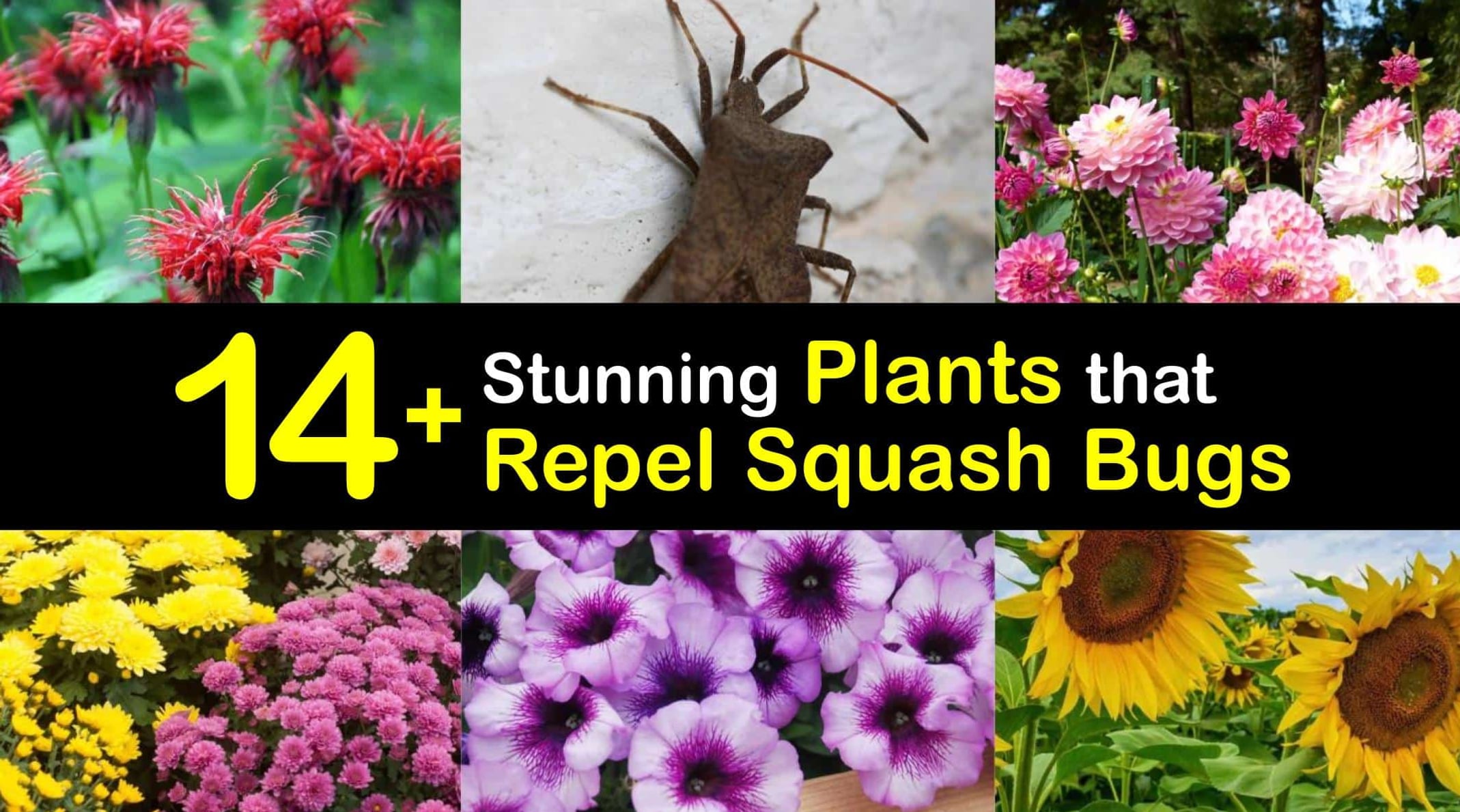
The Pest That Ruins Squash Gardens Every Summer
Squash bugs (Anasa tristis) are flat, large insects with dark gray or brown bodies and distinctive orange-and-brown striped abdomens. They look remarkably similar to stink bugs, and they cause comparable damage. The female lays clusters of tiny, yellowish-bronze eggs directly on the undersides of squash leaves and along stems. Once those eggs hatch, the nymphs begin feeding immediately. The adults and nymphs both pierce plant tissue and suck out sap, leaving behind yellow spots that disrupt the plant’s water and nutrient flow. Young seedlings rarely survive a heavy infestation. Established plants can tolerate some damage, but a large population will wilt and kill even mature squash vines. Early summer varieties like crookneck and butternut squash are particularly attractive to these pests, making early-season protection especially important.
Why Insecticidal Soap Is Not the Whole Answer
Insecticidal soap is effective at killing squash bugs on contact, and it is one of the more commonly recommended treatments for a garden infestation. The problem is that it does not discriminate. Beneficial insects — pollinators, predatory wasps, and other bugs that naturally keep pest populations in check — are just as vulnerable to the soap as the squash bugs themselves. Eliminating the good insects alongside the bad creates a long-term imbalance in the garden. That is where companion planting offers a more sustainable path. Rather than applying a treatment after bugs have already arrived, companion planting works as a preventive strategy. Certain plants either produce scents that squash bugs cannot tolerate, or they attract the natural predators that feed on squash bugs before populations get out of control.
Read more
How Companion Planting Works as a Defense System
Companion planting is the practice of growing different species near each other so that one plant benefits another. In the context of pest control, it works through two main mechanisms. First, some plants emit volatile compounds or strong scents that physically repel certain insects — squash bugs included. Second, some plants draw in beneficial insects like parasitic wasps and predatory beetles that prey on garden pests, effectively building a biological defense network around your squash patch. A few plants also function as trap crops, luring squash bugs away from the vegetables you care about most. The best companion planting setups use a combination of these strategies, mixing scented herbs, flowering perennials, and fast-growing annuals to cover multiple angles of protection throughout the growing season.
Marigolds Are the Garden’s Most Reliable Pest Barrier
Marigolds may be the single most versatile pest-repellent plant available to home gardeners. They deter squash bugs, whiteflies, nematodes, rabbits, and deer — all from the same border planting. Their vibrant red, orange, and yellow flowers bloom non-stop from early summer through the first frost, and they grow anywhere from 4 to 48 inches tall depending on variety. Marigolds are annuals that thrive in full sun and prefer evenly moist, well-drained soil, but they are famously tolerant of less-than-ideal conditions. Plant them as a border around squash beds, or tuck individual plants between squash hills. Their pest-repelling effect is most pronounced when planted densely enough to create a consistent scent barrier. Few plants offer this level of protection with this little maintenance.
Lavender Does Double Duty in the Garden
Lavender is best known for its calming fragrance and culinary uses, but it earns its keep in the vegetable garden as a pest deterrent. The same aromatic oils that humans find pleasant are actively repellent to squash bugs, moths, and fleas. Lavender also attracts bees and other pollinators, which benefits the squash plants directly since squash flowers require pollination to set fruit. As a perennial in hardiness zones 5 through 9, lavender forms a compact shrub that reaches two to three feet tall and two to four feet wide. It performs best in full sun with dry, well-draining soil — the same conditions that make it thrive in Mediterranean climates. It does require some attention to soil drainage; wet roots are its primary weakness. Plant it on the sunny edges of squash beds where drainage is good.
Petunias and Nasturtiums Protect From the Ground Up
Petunias produce a mild but effective chemical deterrent against squash bugs, tomato hornworms, leafhoppers, and asparagus beetles. They bloom in nearly every color — pink, purple, yellow, red, orange, green, and white — and work beautifully as a low border around vegetable beds. They reach 6 to 24 inches tall and spread up to 3 feet in full sun with mildly acidic soil. Nasturtiums offer a different kind of protection. Planted near squash, cucumbers, or tomatoes, they repel squash beetles, whiteflies, woolly aphids, and cucumber beetles. They can also function as a trap crop, pulling certain pests away from the vegetables you want to protect. These easy-growing annuals produce bright blossoms in red, orange, pink, and yellow from May through September and tolerate a wide range of soil types, making them accessible to gardeners in nearly any region.
Aromatic Herbs That Squash Bugs Cannot Stand
Several common culinary herbs are highly effective squash bug deterrents, which makes them practical additions to any kitchen garden. Basil contains essential oils that repel squash bugs, mosquitoes, flies, thrips, and squash vine borers. It grows 18 to 24 inches tall, prefers full sun and moderately rich soil, and is annual in most climates. Chives bring a mild oniony scent that deters Japanese beetles, carrot flies, and adult squash bugs. They are cold-tolerant perennials in zones 3 through 9, reaching up to 15 inches tall in full sun to light shade. Catnip is perhaps the most powerful of the group. Despite being a feline favorite, catnip repels squash bugs, Japanese beetles, weevils, ants, aphids, and flea beetles. It grows 2 to 3 feet tall and wide in full sun, is hardy in zones 3 through 7, and produces flower spikes from late spring through early fall.
Sunflowers and Bee Balm Attract the Right Insects
Not all pest control plants work by repelling bugs — some recruit allies. Sunflowers are a prime example. Their large blooms attract beneficial insects that prey on aphids and squash beetles, and their deep roots can also draw pests upward and away from lower-growing squash plants. Sunflowers are sun-loving annuals that tolerate well-drained soil of almost any type and can reach up to ten feet tall, often requiring staking. Bee balm takes a similar approach. This herbaceous perennial from the mint family produces spiky red, purple, and pink blooms throughout summer that draw honey bees, butterflies, and hummingbirds — all good for pollination — while repelling squash bugs and other garden pests. Bee balm is hardy in zones 4 through 9, grows 2 to 4 feet tall, and tolerates both full sun and partial shade in neutral to acidic soil.
Chrysanthemums Produce a Natural Insecticide
Chrysanthemums are one of the few ornamental plants that generate an actual chemical pesticide. The compound is called pyrethrum, and it works similarly to neem oil, controlling a broad spectrum of insects including fleas, ants, silverfish, Japanese beetles, ticks, and squash beetles. Pyrethrum is a naturally occurring substance derived from the flowers themselves, which makes chrysanthemums a low-chemical alternative to synthetic pest sprays. These herbaceous perennials grow 2 to 3 feet tall in full sun with rich, moist soil and are hardy in USDA zones 3 through 9. Their flowers range from white and yellow to red and purple, making them a visually striking addition to any fall garden. One important caveat: chrysanthemums are toxic to pets, so placement should account for any cats or dogs that have access to the garden.
Borage and Hyssop Round Out the Defense
Borage is an annual herb native to the Mediterranean, producing vivid blue, star-shaped flowers that bloom through summer. It is a strong companion for squash, tomatoes, and strawberries, attracting beneficial honey bees and parasitic wasps while deterring tomato hornworms, cabbage worms, and squash bugs. It grows 1 to 3 feet tall in full sun or part shade and tolerates well-drained soil of almost any composition. The stems and leaves are covered in a prickly fuzz that itself acts as a physical deterrent for some crawling pests. Hyssop offers similar benefits through a different mechanism. This creeping, mat-forming perennial produces small white, purple, or pink flowers from late spring through early fall and is known for drawing bees while repelling flea beetles, cabbage moths, and squash bugs. It is highly adaptable to difficult growing conditions and spreads to 1 to 4 feet wide.
The Plants Worth Using With Caution
Two companion plants stand out for their effectiveness but require careful handling. Mugwort releases an aromatic scent that squash bugs cannot tolerate, but it spreads aggressively and can take over garden beds if not contained. It reaches up to 6 feet tall and is a perennial in zones 3 through 8. Growing it in a buried container or raised bed with barriers can limit its spread. Four O’Clocks are a similarly potent option — their toxicity to insects, people, and animals makes them effective deterrents for squash vine borers, cabbage loopers, and squash bug nymphs. The two-inch trumpet-shaped blooms open around four in the afternoon and come in shades of pink and red. They are perennial in zones 9 through 11. Both plants work well when positioned thoughtfully, but neither should be planted carelessly in a garden where children or pets are present.
Building a Complete Companion Planting Strategy
The most effective approach to squash bug prevention uses multiple companion plants working together rather than relying on any single species. A practical setup might include a dense marigold border around the perimeter of the squash bed, basil or chives planted between individual squash hills, and a few sunflowers or bee balm plants placed nearby to recruit beneficial predators. Lavender or catnip can fill in gaps and extend scent coverage. Chrysanthemums planted on the outer edge add a chemical deterrent layer for the fall. The goal is to create overlapping zones of protection — some plants repelling bugs by smell, others drawing in natural predators, and a few acting as trap crops to pull pests away from the squash entirely. This layered system reduces pest pressure without disrupting the beneficial insect populations that healthy gardens depend on throughout the growing season.