When the Body Count Is Just the Opening Act
Jujutsu Kaisen starts as something almost manageable — a high schooler named Yuji Itadori swallows a cursed finger and finds himself at the center of a war between sorcerers and ancient malevolent spirits. The first season keeps things relatively balanced: brutal fights, shocking deaths, but enough wit and camaraderie to soften the blows.
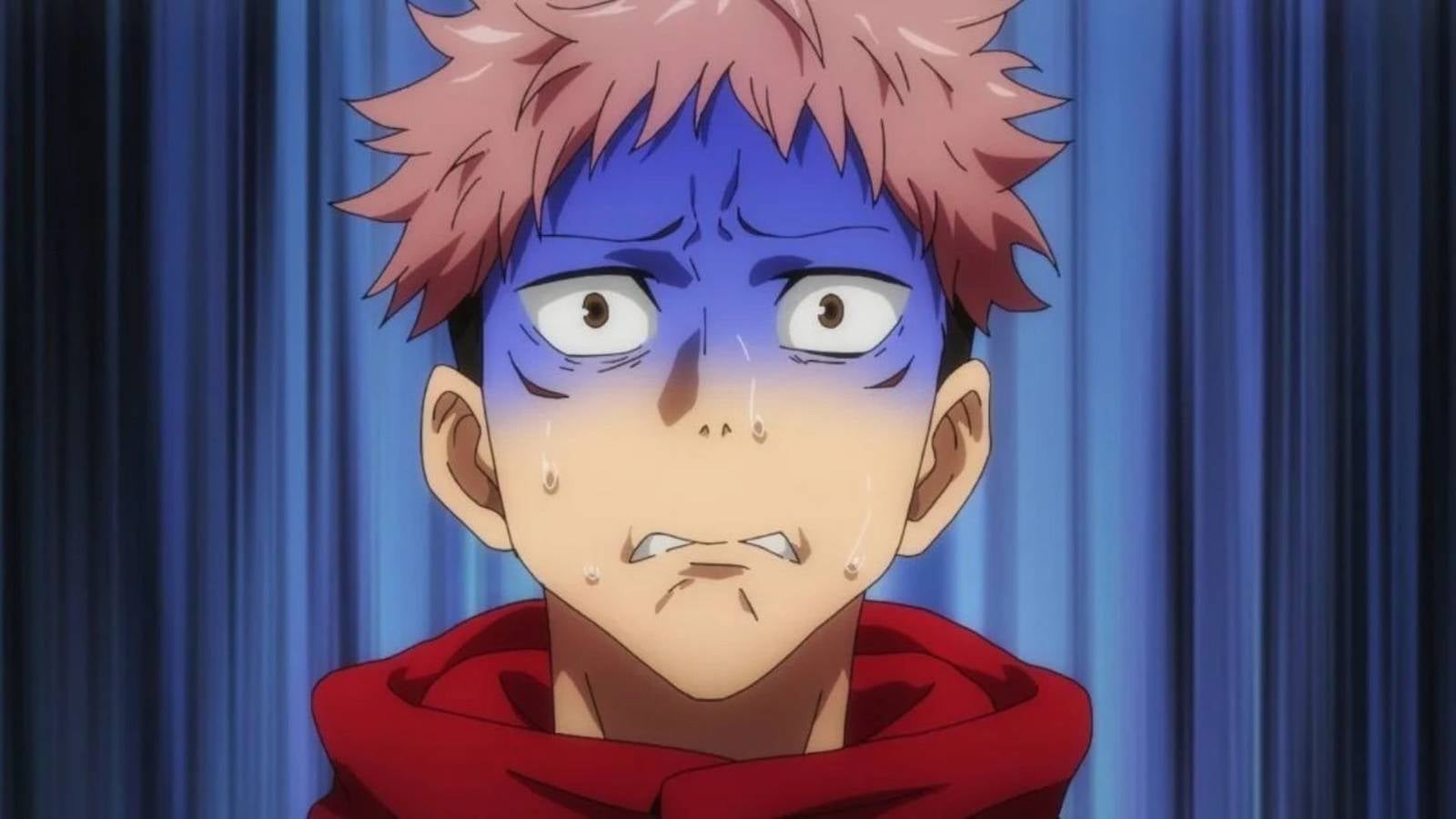
Season 2 strips that buffer away entirely. The Shibuya Incident arc is a sustained catastrophe, a domino chain of losses so relentless that major characters fall one after another while the heroes barely hold the line. Yuji’s voice actor openly admitted that recording his lines left him “the most stressed I’ve ever been.” That tracks. Watching it feels about the same.
Season 3 hasn’t let up. The pressure on Yuji specifically — carrying survivor’s guilt alongside a curse that wants to use his body as a vessel — makes every episode feel like the ground dissolving underfoot.
Games Where the Stakes Are Bone and Blood
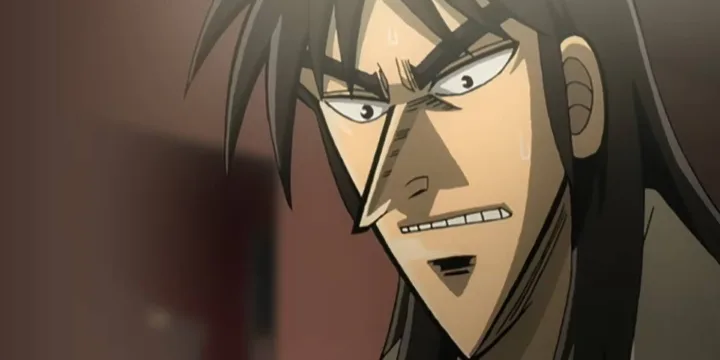
Kaiji: Ultimate Survivor operates in a specific register of dread: economic despair. A broke, reckless young man drowning in debt gets pulled into a series of high-stakes gambling events designed to exploit the desperate. Kaiji has no special powers, no hidden genius waiting to emerge. He survives on instinct, guts, and luck that keeps abandoning him at the worst moments. Think Squid Game without the graphic bloodshed but with a more intimate, grinding tension.
Death Parade works differently — quieter, more cerebral, but no less unsettling. A bartender named Decim runs a bar where the recently dead arrive without knowing they’re dead. He forces them into games designed to expose their true character under pressure. The tension isn’t about survival. It’s about watching who a person really is come crawling out when the lights go dark.
Read more
The Smartest Man in the Room Is Also the Most Dangerous
Death Note is a battle of wills that rarely gives viewers room to breathe. Light Yagami is a genius who finds a notebook that kills anyone whose name gets written in it. His primary obstacle is an eccentric detective known only as L, possibly the only person on earth clever enough to catch him. Every episode is a chess match played with human lives as pieces.
Characters who feel essential disappear. Alliances collapse without warning. The moral ground shifts constantly, and the warehouse confrontation that ends everything is among the most agonizing finales in anime history.
Second Lives, Worse Problems
Oshi no Ko begins with a jaw-dropping premise — a doctor who dies is reborn as the son of a pop idol he was obsessed with — and then spends the rest of its runtime making that second chance feel increasingly cursed. The entertainment industry depicted here is manipulative and built on manufactured illusions. The main character, now called Aqua, carries the weight of his previous life’s knowledge while hunting for his mother’s killer. That revenge mission poisons everything. Watching him jeopardize a real future for the sake of old grief is genuinely painful.
Terminator Zero takes the franchise into unexpected philosophical territory. Dr. Malcolm Lee has built a new AI called Kokoro in the hopes it might resist Skynet’s genocidal logic. Judgment Day happens on schedule. The question hanging over every scene is whether Kokoro will choose differently — whether a mind born from human data might decide the species is worth preserving. There’s no plot armor for anyone here, and the nuclear launch sequence plays out in full.
Love Under Impossible Weight
Fruits Basket looks, at first glance, like a warm shojo romance. A kind-hearted girl named Tohru moves in with a mysterious family and slowly brings healing to people who’ve never known it. That reading isn’t wrong, but it undersells how dark the emotional terrain gets. The Sohma family’s real damage is psychological: members who’ve been told they’re worthless, unlovable, better kept hidden. Watching Tohru fight to reach people who’ve been systematically broken is genuinely stressful.
Tokyo Revengers is a different flavor of punishment. Takemichi Hanagaki discovers he can travel back in time and tries to prevent the deaths of people he loved. He’s not particularly skilled, not especially smart. He gets beaten down constantly, makes progress, then watches it unravel. Every small victory comes shadowed by the knowledge that something will go wrong again.
The System Always Wins. Or Does It.
Psycho-Pass is the most intellectually demanding entry here, a cyberpunk police drama that refuses to let its audience settle into easy moral positions. In its near-future Tokyo, a system called Sibyl calculates a citizen’s potential for criminal behavior and authorizes lethal intervention before any crime occurs. Protagonist Akane Tsunemori is a good cop who is genuinely troubled by what her job requires.
The stress isn’t from jump scares or mass casualties. It comes from the grinding realization that the system Akane serves might be the most dangerous criminal of all. She learns the truth of Sibyl. She cannot act on it. That helplessness is its own particular kind of horror.
The Answer Is Worse Than the Question
Attack on Titan earns its place at the top because it operates on every level simultaneously. The surface threat — enormous humanoid creatures that devour people without motive — is terrifying enough. The show kills characters with no warning, no ceremony, no narrative mercy. Fan favorites vanish mid-season. The ones who survive often wish they hadn’t.
All the walls I built… all of it was for this moment.
But the deeper anguish comes from what’s behind the walls. The mysteries driving the first two seasons resolve into revelations that are somehow more horrifying than the original questions. Conspiracies stretch back generations. The line between victim and perpetrator blurs until it disappears. The final arc asks whether cycles of violence can ever actually end — and does not offer comfort.
Watching Attack on Titan is a sustained physical experience: jaw clenched, shoulders tight, dreading the next episode and unable to stop. No other anime has earned that response quite so completely.