Some outfits get laughed at the moment they hit the red carpet—but give it a few seasons, and suddenly everyone is copying the exact same idea. Fashion has a strange way of rewarding risk-takers, especially when the public needs time to “catch up.” These celebrities didn’t just wear bold looks—they quietly shaped trends that would dominate years later.
1. Rihanna — The “Too Much” Layering Era
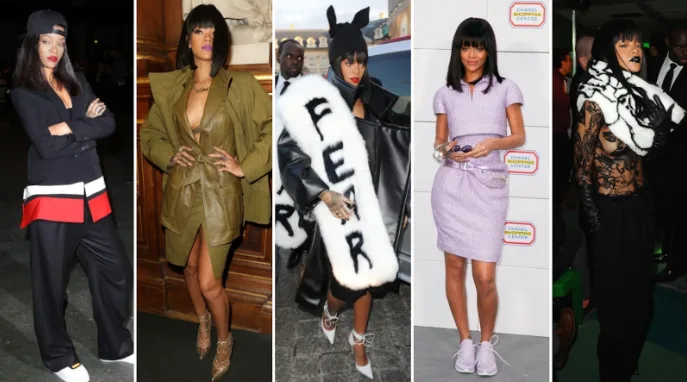
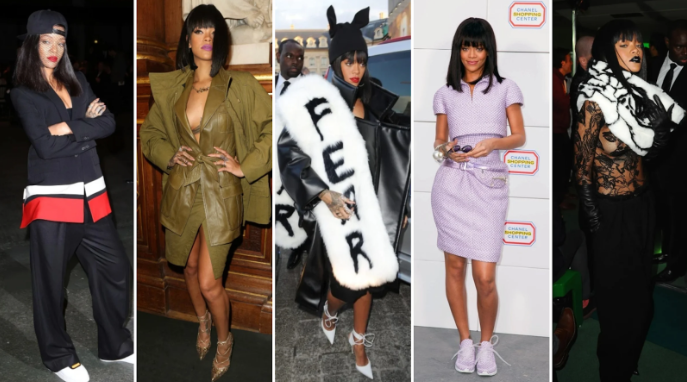
Back in the early 2010s, Rihanna’s street style was often called chaotic, confusing, and even a little over-the-top. At a time when many celebrities were still sticking to safer, more polished looks, she leaned fully into experimentation. Oversized jackets, fur slides, baggy silhouettes, ripped denim, bold accessories, and unexpected layering combinations made critics question whether she was “trying too hard” or simply ignoring the rules altogether. Paparazzi photos of her outfits would regularly spark debates online, with people divided between calling her a fashion genius or someone who just didn’t know when to stop.
What made it even more unusual was how effortlessly she seemed to wear these looks. There was no sense of trying to impress anyone—just a very natural confidence in whatever she chose to put on. One day it could be a luxurious coat paired with sweatpants and sneakers, the next—heels with an oversized hoodie. At the time, this mix of high fashion and casual streetwear wasn’t widely accepted, and definitely not considered “put-together.”
Fast forward just a few years, and those exact elements became staples of modern streetwear. Oversized fits, bold layering, mixing luxury with casual pieces, and that slightly “undone” aesthetic are now everywhere—from TikTok influencers to high fashion runways and major brand campaigns. What once looked messy or excessive is now seen as intentional and stylish. Entire brands have built their identity around this exact vibe.
Rihanna didn’t just follow trends—she moved ahead of them, often without any need for validation. More importantly, she helped shift the mindset around fashion itself. Instead of dressing to fit expectations, she made it acceptable to dress for yourself, even if people don’t understand it right away. And that’s exactly why so many of her once-criticized outfits now feel completely normal—if not essential—to how people dress today.
2. Lady Gaga — The Shock Factor That Became Strategy
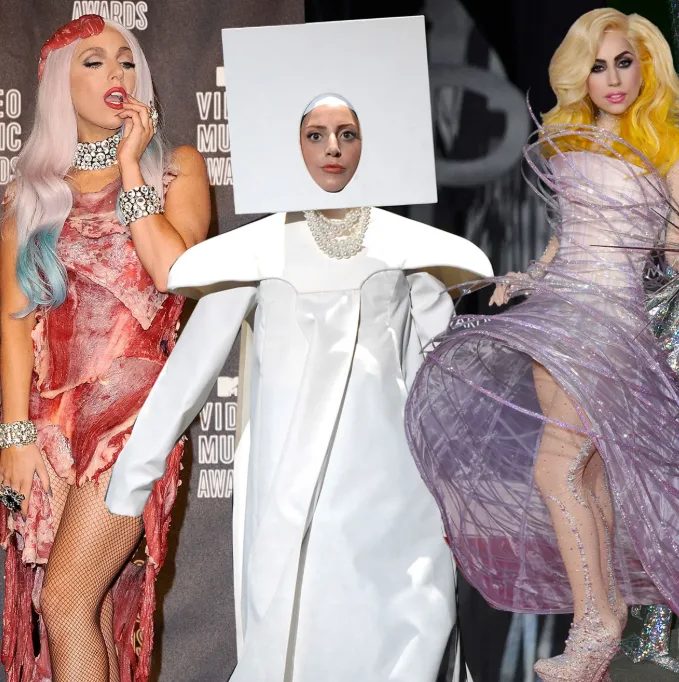
When Lady Gaga wore her infamous meat dress in 2010, it was widely mocked and criticized, with many people questioning not just the look itself, but the message behind it. At the time, her entire aesthetic was considered excessive, theatrical, and borderline absurd, with critics arguing that she relied too much on shock rather than style. The outfit quickly became one of the most talked-about red carpet moments ever—but not necessarily in a positive way.
However, what many overlooked back then was the intention. Gaga wasn’t just dressing to stand out—she was making statements, using fashion as a form of performance and commentary. That approach felt unfamiliar at the time, especially in mainstream pop culture, where most celebrities played it safe.
Today, however, shock value is a calculated fashion strategy. Designers, stylists, and influencers constantly aim to “break the internet,” knowing that attention is just as valuable as approval. Avant-garde looks are now analyzed, praised, and even expected at major events. What once seemed “too much” is now often seen as bold and visionary.
Gaga proved that controversy can be a powerful tool—and more importantly, that fashion doesn’t have to be universally liked to be impactful. In many ways, she helped shift the goal of fashion from simply looking good to creating moments people can’t ignore. And now, that mindset has become a core part of the modern fashion playbook.
Read more
3. Kanye West — Minimalism Before It Was Cool
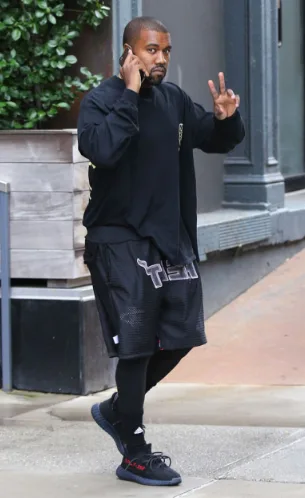
Kanye West’s early Yeezy-era outfits—muted colors, oversized silhouettes, distressed fabrics, and intentionally “unfinished” aesthetics—were often labeled boring, repetitive, or even sloppy. At a time when celebrity fashion was still heavily focused on flashy logos, bold prints, and perfectly tailored fits, his stripped-down approach felt almost out of place. Critics didn’t understand why someone with unlimited access to luxury fashion would choose to dress in what looked like basic, washed-out layers.
A lot of people also missed the bigger picture. Kanye wasn’t just putting together outfits—he was building a new visual language. The neutral palettes, earth tones, and relaxed fits were part of a cohesive vision that extended beyond clothing into music, design, and culture as a whole. Still, in the beginning, that vision wasn’t widely appreciated, and many saw it as a downgrade rather than a step forward.
Now, neutral tones and minimalist streetwear dominate global fashion. From fast fashion brands to high-end designers, everyone has adopted the same muted color schemes and oversized silhouettes that once felt so unusual. The “effortless” look Kanye pushed is now the default aesthetic for millions, especially among younger audiences who prioritize comfort and subtlety over loud branding.
What once looked underwhelming became the blueprint for modern street style. And perhaps most importantly, Kanye helped shift the idea of what luxury can look like—not necessarily polished and flashy, but relaxed, understated, and quietly confident.
4. Harry Styles — Breaking Gender Norms
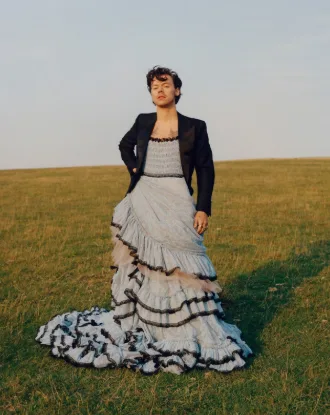
Harry Styles wearing dresses and feminine silhouettes sparked debate, headlines, and plenty of mockery—especially from more conservative audiences who saw it as unnecessary or purely provocative. For many people, it challenged long-standing ideas about how male celebrities “should” present themselves, which is exactly why it became such a widely discussed topic.
What made it stand out even more was how naturally he carried it. It didn’t feel like a one-time stunt or a calculated attempt to shock people—it felt consistent with his overall style evolution. Over time, Harry began incorporating more traditionally feminine elements into his wardrobe: pearls, high-waisted trousers, sheer fabrics, colorful suits, and soft tailoring. Each appearance reinforced the idea that fashion doesn’t need to follow strict gender rules.
At the beginning, a lot of the conversation focused on whether it was “too much” or “not appropriate.” But as more people got used to seeing it, the narrative slowly shifted. Instead of questioning it, audiences began appreciating the confidence and individuality behind it.
Today, gender-fluid fashion is widely accepted and even celebrated. Designers and brands increasingly embrace non-binary styles, and entire collections are now built around the idea of removing gender boundaries in clothing. What once felt controversial is now part of mainstream fashion culture.
Harry played a key role in pushing that conversation into the spotlight. By consistently showing up in these looks—on magazine covers, red carpets, and performances—he helped normalize the idea that clothing is just clothing, and anyone can wear anything. And in doing so, he didn’t just follow a trend—he helped create space for a completely new one.
5. Billie Eilish — Oversized Anti-Fashion
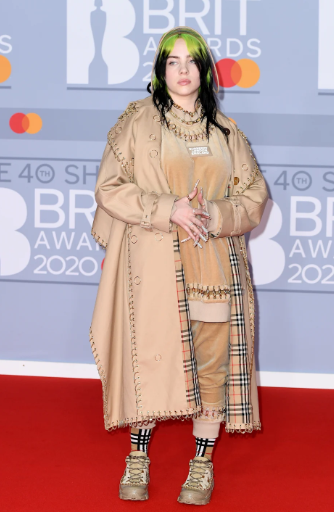
When Billie Eilish first appeared in oversized clothing, people mocked her for “hiding her body” and rejecting traditional femininity. At a time when many young female artists were expected to present a very specific, often revealing image, her choice to wear baggy hoodies, loose pants, and layered streetwear felt almost rebellious. Critics and media outlets constantly questioned her style, trying to frame it as insecurity or a phase rather than a conscious decision.
But for Billie, it was never random. She openly explained that her clothing was a way to take control of how people perceived her—removing the focus from her body and shifting it to her music and personality. That message resonated deeply with a younger audience who were also tired of unrealistic expectations and constant judgment based on appearance.
Over time, what once seemed unusual started to feel refreshing. Fans began copying her style, not just because it looked cool, but because it represented something bigger—freedom, comfort, and individuality. The oversized silhouettes also aligned perfectly with a growing shift in fashion toward practicality and ease, especially as streetwear continued to dominate.
Now, baggy fashion is one of the biggest trends among Gen Z. From oversized hoodies to wide-leg pants and relaxed fits, the aesthetic Billie helped popularize is everywhere—from social media to major fashion brands. What was once criticized as “weird” or “unfeminine” is now considered authentic, stylish, and even empowering.
More importantly, her influence goes beyond clothing. Billie helped redefine what it means to express yourself through fashion—not by fitting into expectations, but by choosing what makes you feel comfortable and in control. And that mindset has had a lasting impact on how an entire generation approaches style.
Summary
Fashion often rewards those who are ahead of their time—even if they get mocked for it first. What looks strange, excessive, or “wrong” in the moment can quietly shape what everyone ends up wearing a few years later.
In the end, the line between being “ridiculed” and being called a “trendsetter” is surprisingly thin—and usually comes down to one thing: who was brave enough to wear it first.