The Garden Plants Most People Completely Overlook
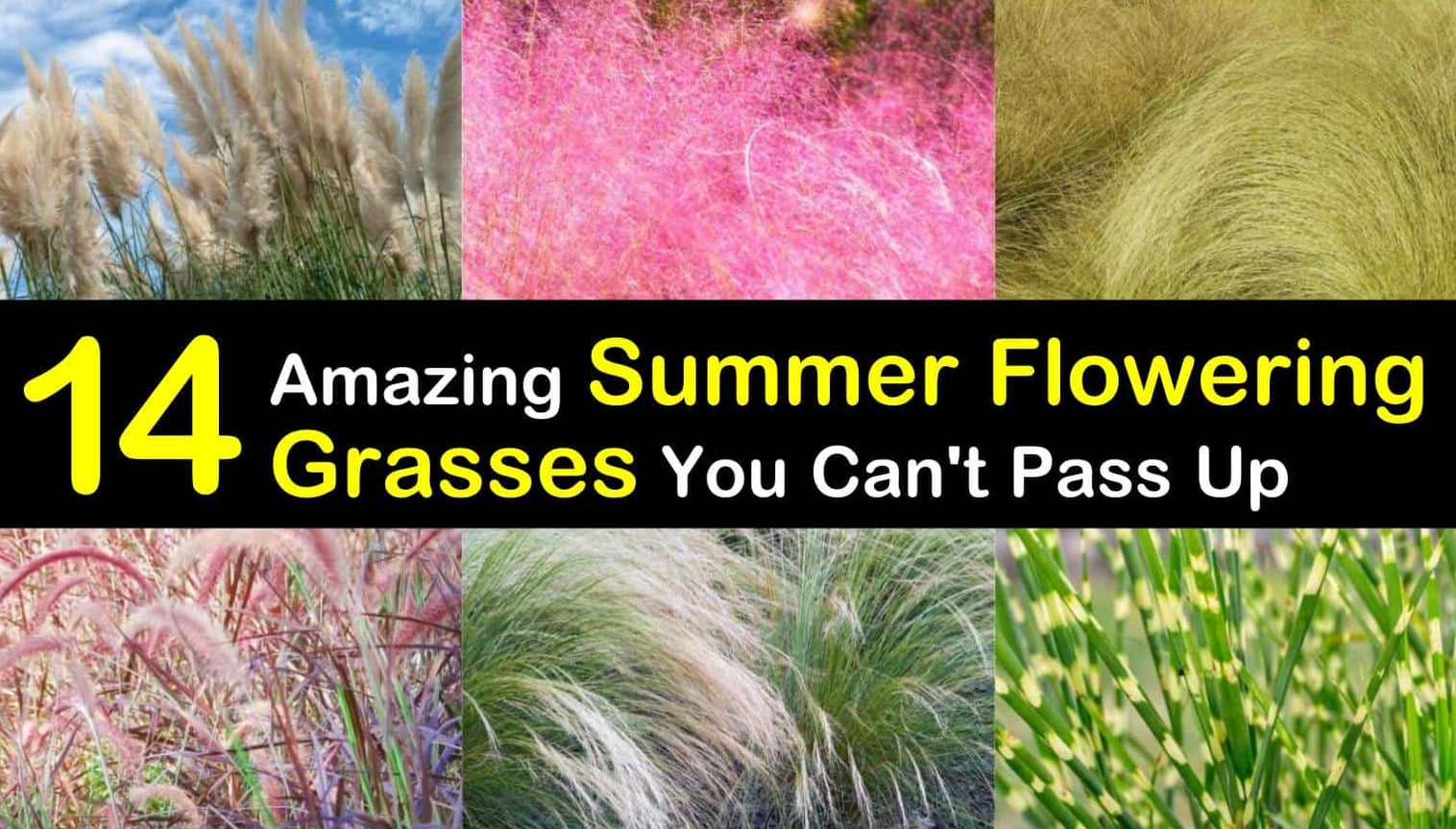
While most gardeners fixate on flowers, ornamental grasses quietly offer something flowers rarely can: year-round visual interest. These plants bring form, texture, movement, and even sound to a landscape. On windy days, tall grasses sway and rustle in a way no peony or marigold ever could. They work as dramatic focal points, soft backdrops, natural screens, and container specimens. Many varieties are drought tolerant, deer resistant, and low maintenance — qualities that make them genuinely practical choices rather than just pretty ones. The tall varieties function as living windbreaks, creating natural privacy walls without fencing. And unlike most flowering perennials, ornamental grasses tend to look good in every season, not just during their bloom window. For gardeners who’ve exhausted the usual options, these 14 summer-flowering grasses are worth a serious look.
Clumping vs. Spreading — Know Before You Plant
Before choosing any ornamental grass, understanding growth habit is essential. Grasses generally fall into two categories: clumping and spreading. Clumping types, like little bluestem, form tidy mounds and stay roughly where you plant them, making them easier to manage in formal or smaller gardens. Spreading types, like blue lyme grass, push outward aggressively and can take over beds if not monitored. There’s also the cool-season vs. warm-season distinction. Cool-season grasses wake up early in spring and typically flower at the beginning of summer, while warm-season grasses emerge slowly and bloom from late summer into fall. Warm-season types tend to handle heat, humidity, and drought better. Checking a grass’s hardiness zone before purchasing is equally critical — not every variety survives a northern winter, and some perform poorly in the deep south.
Read more
Mexican Feather Grass — Lightweight and Constantly Moving
Mexican feather grass is one of the most graceful grasses available for home gardens. Its thin, feather-like blades are silvery green and catch even the faintest breeze, creating constant gentle movement across the bed. Seeds appear at the very tips of the leaves in early summer, and feathery panicles persist throughout the entire season. This grass tolerates full sun to part shade and is resistant to rabbits, deer, and drought, with essentially no pest or disease issues. It thrives in hardiness zones 6 through 10 and reaches a mature size of 1 to 3 feet in both height and width. Gardeners in desert climates will find it especially well suited since it handles dry, hot conditions without complaint. It works particularly well as a border plant or massed in groups where the collective movement creates a flowing, animated effect.
Pampas Grass — The Bold Statement Maker
Pampas grass commands attention. Its narrow, arching gray-green leaves build a dense base from which enormous creamy white plumes rise in August and persist through September. Few ornamental grasses match the dramatic presence of its flowers at full height. This tough perennial grows 4 to 6 feet tall and spreads 3 to 4 feet wide, thriving in zones 7 through 10. It is drought tolerant and deer resistant, requiring very little maintenance once established. One often-overlooked bonus: pampas grass is one of the best candidates for dried flower arrangements. Cut a few stems before the plumes fully open, let them dry indoors, and they hold their shape for months in a vase. Among flowering grasses, it ranks as one of the most cold-hardy within its zone range and is a reliable performer even in challenging conditions.
Purple Fountain Grass — Rich Color in a Fast-Growing Package
Purple fountain grass delivers some of the most striking color of any ornamental grass available. Its rich burgundy foliage provides a dramatic contrast in mixed beds, and long arching plumes in shades of crimson extend the visual interest upward. This grass grows quickly and works well in containers or as a standalone focal point. It thrives in full sun and well-drained soil, reaching 3 to 5 feet tall with a spread of up to 4 feet. The flower plumes themselves grow up to 1 foot in length, giving the plant an impressive silhouette. In colder climates, purple fountain grass is treated as an annual since it is only winter hardy in zone 9 and above. Gardeners in warmer regions benefit from its perennial nature, while those in cooler areas often find it worth replanting each year for the color payoff it provides throughout the season.
Blue Fescue and Blue Oat Grass — Small Scale, Big Impact
Both blue fescue and blue oat grass offer the same cool steel-blue coloring that makes them standout choices for borders, edgings, and rock gardens. Blue fescue is the more compact option, forming low clumps 1 to 3 feet tall with a spread of up to 18 inches. It is deer resistant and drought tolerant, handling zones 4 through 8 without issue. Blue oat grass is essentially a larger version of the same aesthetic — it grows in round, fountain-like clumps of arching steel-blue leaves reaching 2 to 3 feet tall. Both are semi-evergreen and develop delicate straw-colored spikelets in early to mid-summer, adding a secondary layer of texture above the foliage. Either variety works beautifully as a low-maintenance groundcover alternative, and their blue tones provide excellent contrast against green or gold neighboring plants throughout the growing season.
Japanese Forest Grass — The Shade Garden’s Best Asset
Most ornamental grasses demand full sun, but Japanese forest grass breaks from that norm entirely. This clumping perennial thrives in shade or part sun, making it one of the most useful options for wooded gardens or shaded beds where few ornamentals perform well. Its variegated leaves — available in green, gold, or striped combinations — develop a coppery orange tone in fall, giving it strong seasonal interest beyond summer. The stems have a delicate, bamboo-like quality that adds an exotic texture to the garden. Japanese forest grass is deer resistant and drought tolerant despite its somewhat tender appearance. Hardy in zones 5 through 9, it grows 1 to 3 feet tall and up to 2 feet wide. For gardeners struggling to find low-maintenance plants for shaded corners, this grass is one of the most reliable solutions in its size range.
Feather Reed Grass Karl Foerster — A Garden Designer Favorite
Feather reed grass ‘Karl Foerster’ has earned its reputation as one of the most widely planted ornamental grasses for good reason. It produces upright, feathery plumes in pink and purple shades that emerge in early summer and persist well into winter, providing months of visual structure. The plumes move gracefully in even a mild breeze, giving the plant a lively quality that holds up in all but the calmest weather. It forms a narrow clump of deep green arching leaves, growing 2 to 3 feet wide and 3 to 6 feet tall, with plumes adding another 3 feet of vertical height. Hardy in zones 4 through 9, it handles part to full sun and is considered largely care-free once established. Its upright growth habit makes it an excellent vertical element in mixed perennial borders, and it pairs well with rounded or low-growing plants that contrast its height.
Maiden Grass and Chinese Fountain Grass — Graceful Vase Shapes
Maiden grass brings a soft, airy quality to the landscape through its graceful vase-shaped form. The blue-green foliage is topped by silvery, white, or pink seed heads depending on the specific variety selected. It is drought tolerant and deer resistant, growing anywhere from 3 to 6 feet tall in zones 4 through 9. Chinese fountain grass offers a complementary presence: green leaves form a flowing fountain shape, topped with pinkish flower spikes that feature distinctive bottle-brush ends. These blooms are particularly attractive in fall as they transition to beige and golden tones. Chinese fountain grass is easy to grow, drought tolerant, and thrives across most soil types in hardiness zones 5 through 9, reaching 2 to 3 feet tall and wide. Both grasses work well as specimen plants in open areas where their full form can be appreciated from multiple angles.
Zebra Grass — Horizontal Stripes That Stop Traffic
Zebra grass stands out from other ornamental grasses not through flower color but through its unusual foliage. Creamy golden bands cut horizontally across green grass blades, creating a striped pattern that reads as genuinely exotic in a garden context. Most grasses with variegation run their color vertically along the blade; zebra grass runs it across, which makes it instantly identifiable. Small silvery-white blooms appear later in the season, followed by seed head plumes. This grass prefers full sun and is hardy in zones 5 through 9. It grows to an impressive 7 feet in height with a spread of 3 to 5 feet, so it needs space to perform at its best. Despite its size, it tolerates many soil conditions and requires minimal upkeep. As a backdrop plant behind shorter perennials, it provides a bold, textured wall with natural screening capability.
New Zealand Flax — The Hummingbird Magnet
New Zealand flax is technically a perennial grass relative rather than a true grass, but it earns its spot on any ornamental planting list through sheer visual drama. Its sword-like leaves shoot up from the base in architectural fans, and flower stalks rise well above the foliage during bloom season. The curving, tubular blossoms in yellow or red are rich in nectar and reliably attract hummingbirds — a significant bonus for gardeners who enjoy wildlife visits. New Zealand flax is perennial in zones 8 through 10, with a wide range of varieties available. Smaller types stay between 1 and 4 feet tall, while the largest can reach 10 feet. It prefers part to full sun and moist soil, setting it apart from most ornamental grasses that prefer drier conditions. The range of cultivar sizes makes it adaptable to both large landscapes and smaller garden beds.
Pink Muhly Grass — Fall’s Most Surprising Show
Pink muhly grass spends most of the growing season as an unremarkable clump of dark green, finely textured foliage. Then fall arrives, and it transforms dramatically. The plant erupts into clouds of vibrant pink flower panicles that create a cotton candy-like haze above the base foliage. Few perennials produce a fall display that matches this visual impact, and even fewer do it with so little effort. Pink muhly grass grows 3 feet tall and wide, making it a compact but powerful focal point. It is hardy in zones 6 through 9 and tolerates drought, salt, heat, and high humidity — a rare combination of stress tolerance that makes it viable in a wide range of climates. The open, airy flower heads contrast beautifully with the dense dark foliage below. For gardeners looking to extend visual interest well past summer, this grass provides a compelling reason to keep watching the garden through October.
Switchgrass and Tufted Hair Grass — Tough and Underused
Switchgrass is a warm-season native grass that forms large, impressive clumps with blue-green and purple-burgundy coloring. It blooms pink flowers in mid to late summer and handles some of the harshest growing conditions of any ornamental grass, including drought, poor soil, and deer pressure. Depending on the variety, it grows anywhere from 1 to 8 feet tall with a spread of 2 to 3 feet, making it one of the most size-versatile options available. Tufted hair grass fills a different niche: it is one of the few ornamental grasses that performs well in moderately shady locations, making it a practical alternative to Japanese forest grass in cooler climates. This semi-evergreen cool-season grass produces feathery panicles of purple, green, and gold flowers through summer. Hardy in zones 4 through 9, it grows 2 to 3 feet tall, resists pests, and requires almost no maintenance beyond the annual spring trim.
How to Keep Ornamental Grasses Healthy Year After Year
Ornamental grasses are among the lowest-maintenance perennials available, but a few practices help them perform consistently. Most types are drought tolerant once established and resist common pests including deer, but they do require well-drained soil — standing water around the roots is the most common cause of poor performance. The standard care routine is simple: let the grass stand through winter, since the dry foliage provides winter interest and protects the crown from hard freezes, then cut it back to a few inches in early spring before new growth appears. If a clump outgrows its space, divide it in early spring by cutting the root mass into sections and replanting in a new location. Avoid dividing in fall or summer, as the transplants need time to establish before heat or cold stress arrives. With this minimal attention, most ornamental grasses thrive reliably for many years without replanting.